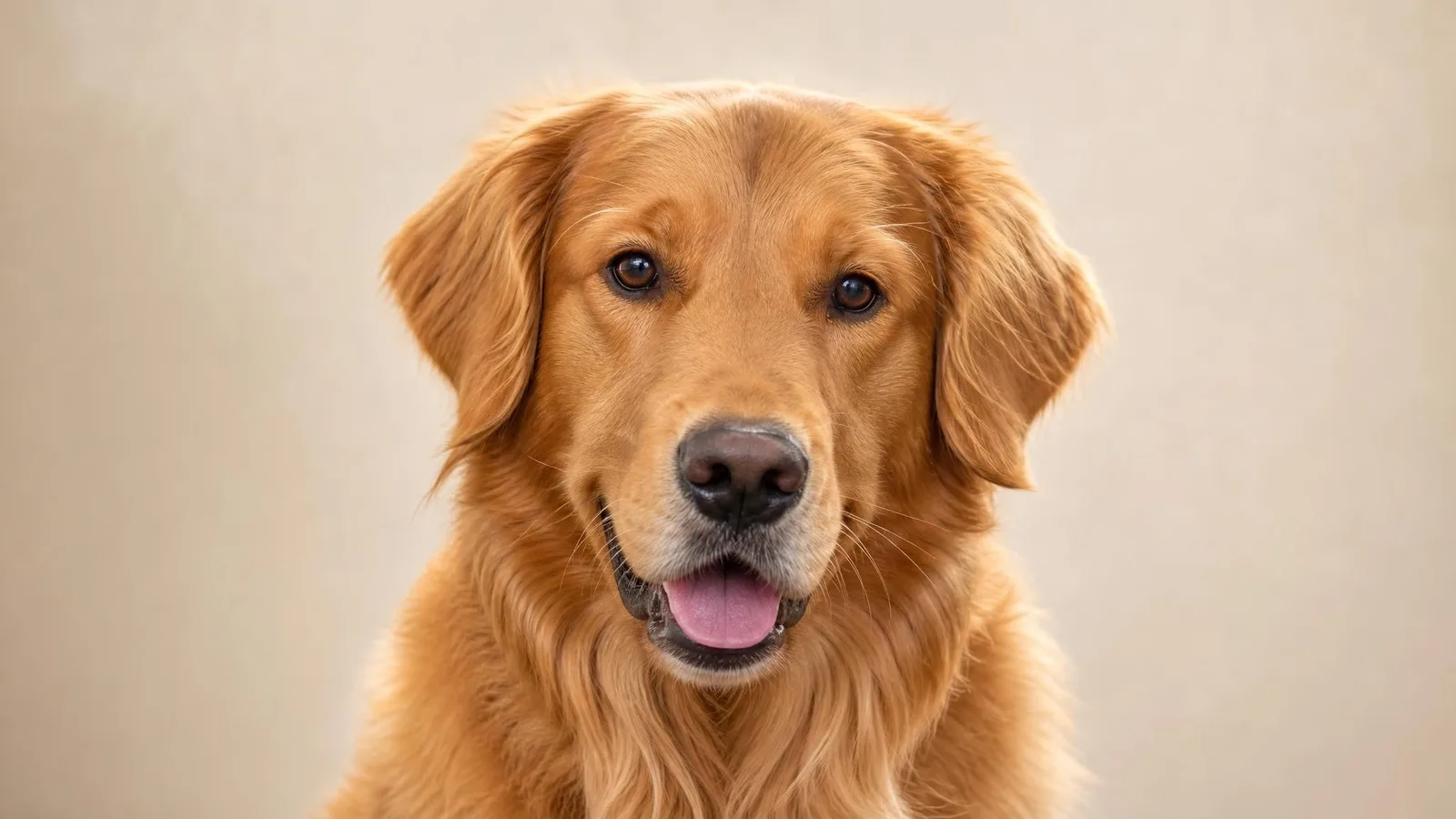
Nobody orders a portrait of a golden retriever. They order a portrait of Charlie - the one with the crooked left ear and the white blaze that stops just short of his nose. Get the breed right and the markings wrong and you haven’t made a portrait at all; you’ve made a stock photo of a stranger.
This is the whole difficulty of AI pet portraits, and it’s worth being specific about.
What identity means for a pet
For a human face, identity lives in geometry. For pets it’s distribution: the exact map of patches, ticks, brindle swirls and asymmetries - plus structure like ear set, muzzle length, eye colour, and the fifteen extra pounds your vet keeps mentioning. A generation that “cleans up” any of it has erased the pet.
So the pets niche treats your reference photos as the identity record. Markings are preserved as-is - including the scruffy bits. Especially the scruffy bits. The one-eyed cat stays one-eyed; that’s the cat.
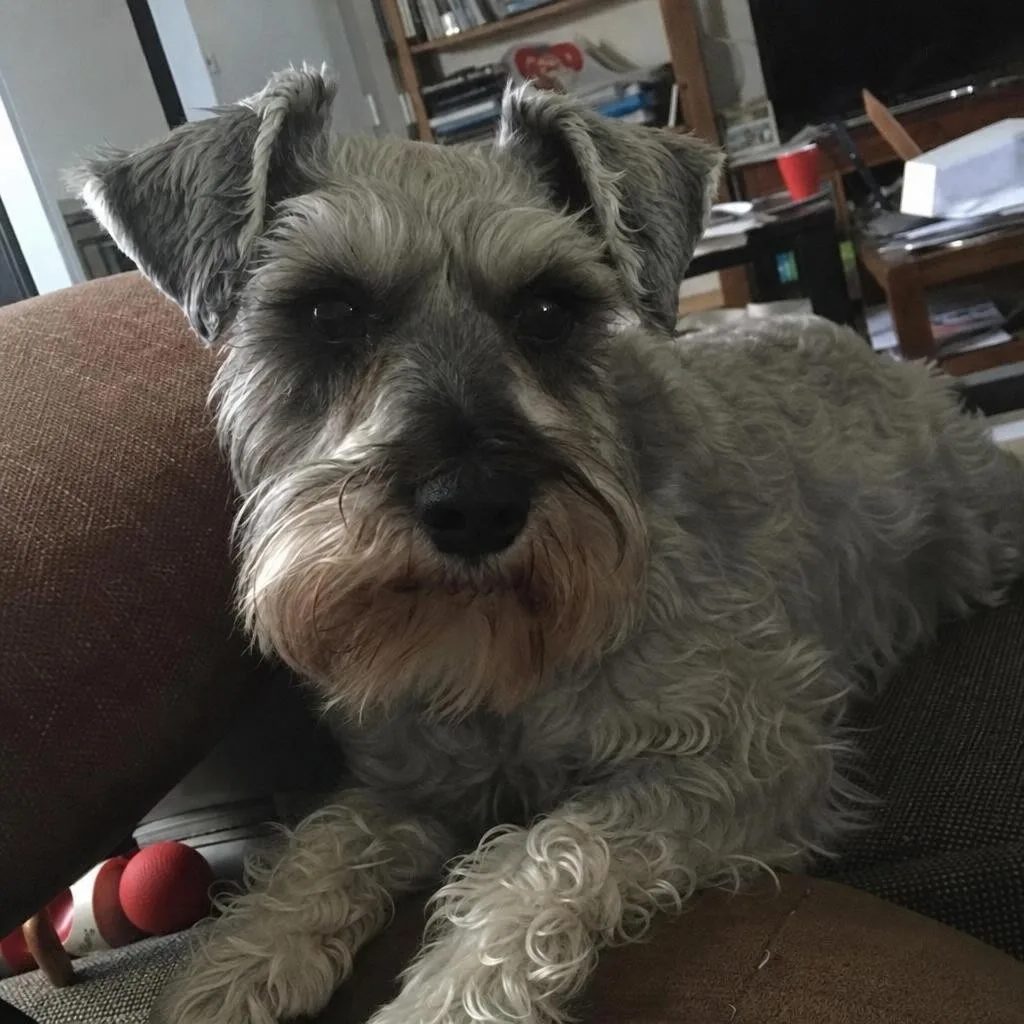
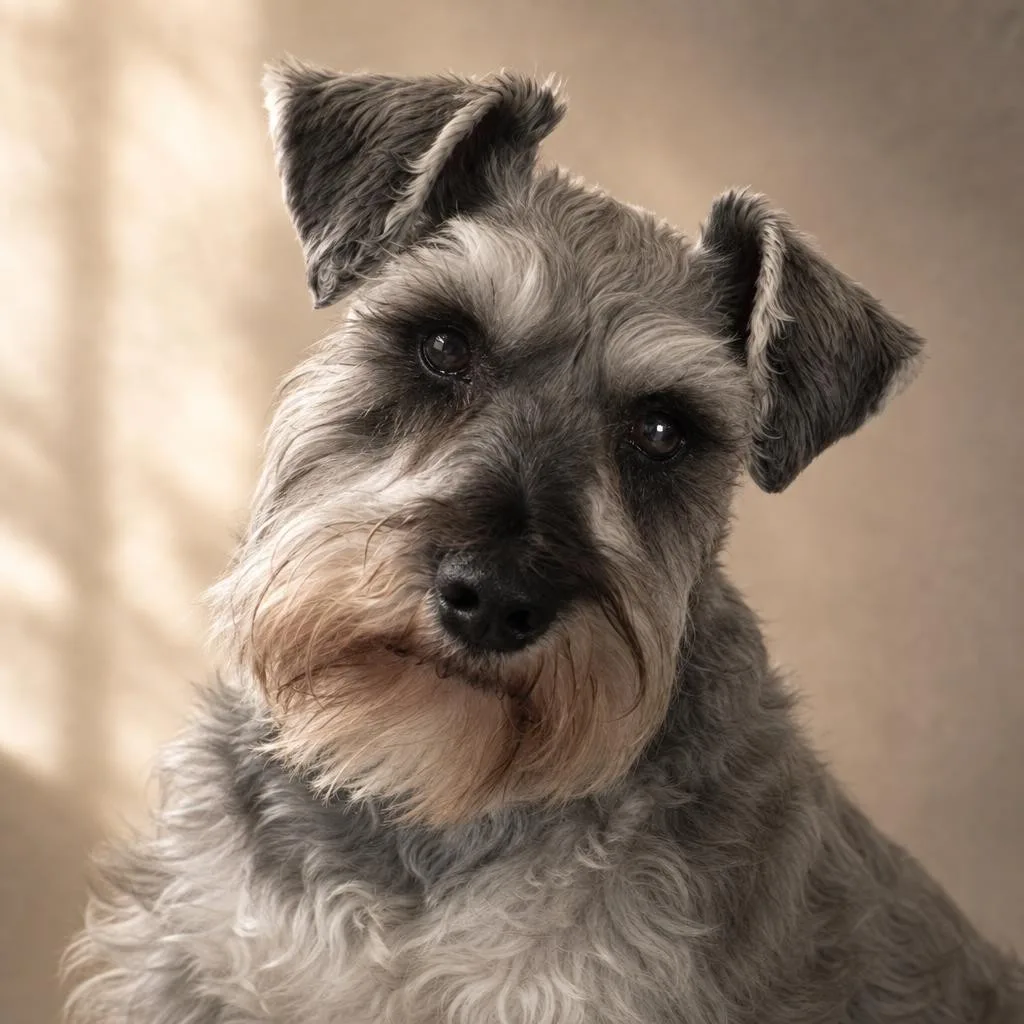
What you can change
Everything around the animal. Studio backdrops, autumn park light, a velvet armchair by a window - settings and lighting are wide open, in square, portrait and Stories formats. And for people who want more than photorealism, painterly styles are available as an explicit opt-in: an oil-portrait Charlie is a deliberate choice, never a surprise mixed into your photo pack.
Text, watermarks and invented captions are banned in output across every niche - the fastest tell of a cheap AI portrait is lettering nobody asked for.
How to photograph your pet so identity survives
The generation can only preserve what your references show. Five minutes of effort here decides everything:
- Daylight, no flash. Flash flattens fur texture and blows out eye colour - the two highest-identity features.
- Get on their level. Shots from above distort proportions; kneel.
- Cover the markings. Left side, right side, face-on. A blaze the reference never shows is a blaze the model has to guess.
- One sharp eye photo. Heterochromia, amber vs brown - eye colour is the detail owners notice first when it’s wrong.
- Skip the accessories you don’t want immortalised. The harness in every reference becomes part of the dog.
The test
Same as everywhere else in the pipeline, applied to someone who can’t complain: would a person who knows this animal do a double-take? The stakes are lower than a marketplace refund and somehow also higher - nobody frames a photo of almost-their-dog.
Ten portraits from a handful of phone snaps, under a dollar each, in the pets niche. Bring the scruffy references.