
The most common question we get is some version of: “but will it still be my product?” It’s the right question. An AI photo of roughly-your-product is worthless - a marketplace listing is a promise, and a photo that promises the wrong thing is a refund with extra steps.
So here is the boundary, drawn as precisely as we can draw it.
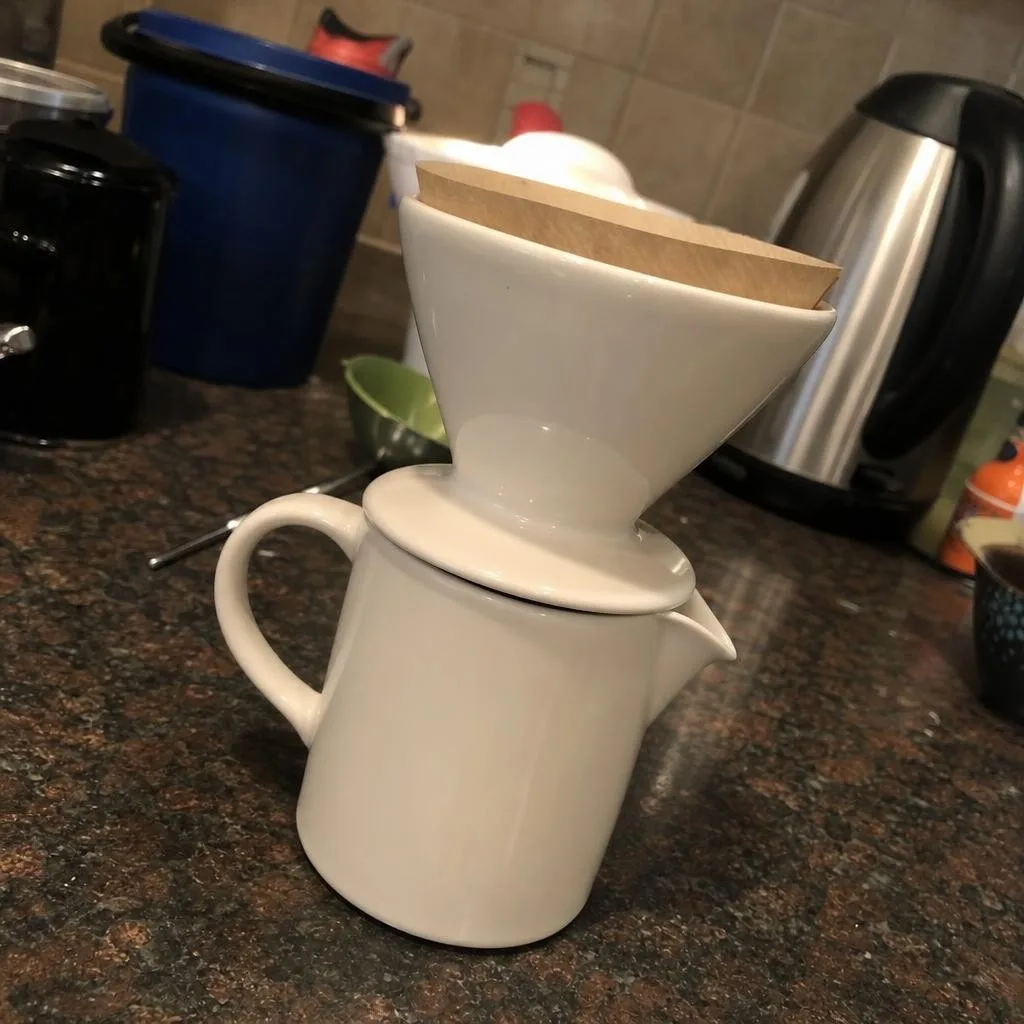
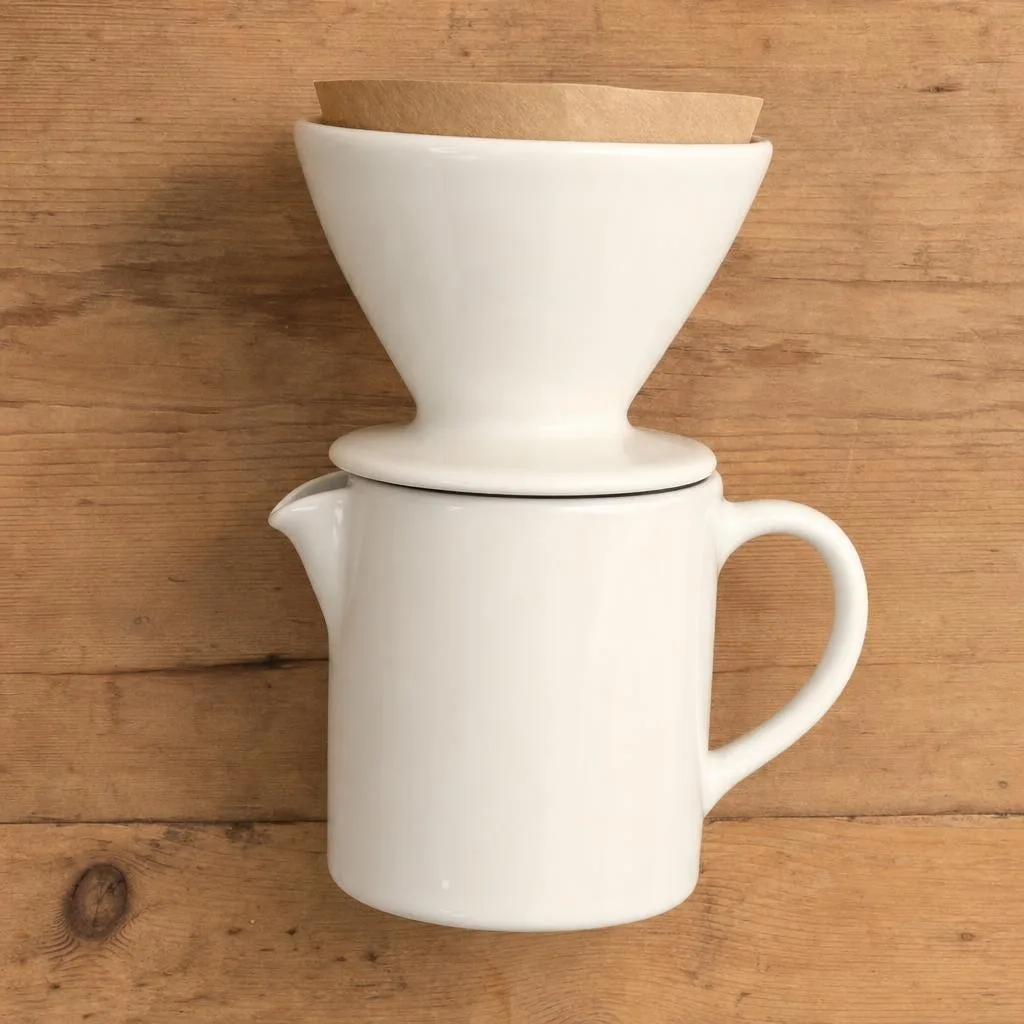
What gets changed
Light. This is most of the magic. A phone snap under a kitchen bulb becomes a shot lit like a studio: soft key light, clean shadows, no colour cast. Nothing about the object changed - the photons did.
Background and setting. The kitchen table becomes seamless white, warm linen, a marble counter, a lifestyle scene. This is the part everyone understands intuitively, and it’s also the least risky: no buyer believes your product ships with the table.
Composition. Camera angle, distance, framing, negative space. The generated shot is composed the way a photographer would compose it, because the models were trained on photographs that were.
What is locked
Shape and proportions. A watch stays exactly that watch. The prompt architecture treats the reference as the source of truth for geometry - a slightly-wrong strap width is a failed generation, not a style choice.
Colour and material. Fabric colour, print, stitching, the way brushed metal catches light. For clothing and jewelry this is the whole product, which is why our prompts spend more words on fidelity than on beauty.
Labels, logos, text on the product. Whatever is printed on your product stays as printed pixels. Where a niche’s subject legitimately carries text - a logo mockup, a watch dial, a vehicle badge - the pipeline preserves it; everywhere else, generated text is banned outright, because model-invented lettering is the fastest way to spot a fake.
People. They never appear in output - and photos containing people are refused at upload. The two repair niches are the deliberate exception: restoration and colorization work on old photos that are of people, and there the existing face is repaired, never replaced. Everywhere else, no person enters and none comes out.
The honest failure mode
Sometimes a generation misses - a reflective surface picks up a background that doesn’t exist, a fine mesh loses its weave. We’d rather tell you this here than have you discover it as a surprise: hard subjects exist. Glassware, mirrors, chrome, transparent packaging. That’s why failed generations retry free, and why every project shows you the output before it costs you anything beyond the credits you chose to spend.
The test we hold ourselves to is simple: could the buyer, holding the product next to the photo, feel lied to? If yes, the photo is wrong - however pretty it is.
Why this boundary and not another
Every marketplace we’ve written a requirements guide for converges on the same rule from a different direction: Amazon wants the main image to be the product, Etsy wants photos of the actual finished item, delivery apps want the dish that arrives at the door. The platforms don’t care whether a human or a model pressed the shutter. They care whether the pixels match the parcel.
That’s the standard the pipeline is built around. Light is fair game. The thing itself is not.