Notes from the pixel side.
What AI actually changes in a photo, what the marketplaces publish about imagery, and what things cost - written from the numbers, with sources linked.
Adding a loved one who has passed to a family photo
A gentle, practical guide to a keepsake portrait made from your own photos: how to choose the photos, what to expect, and what the result is not.
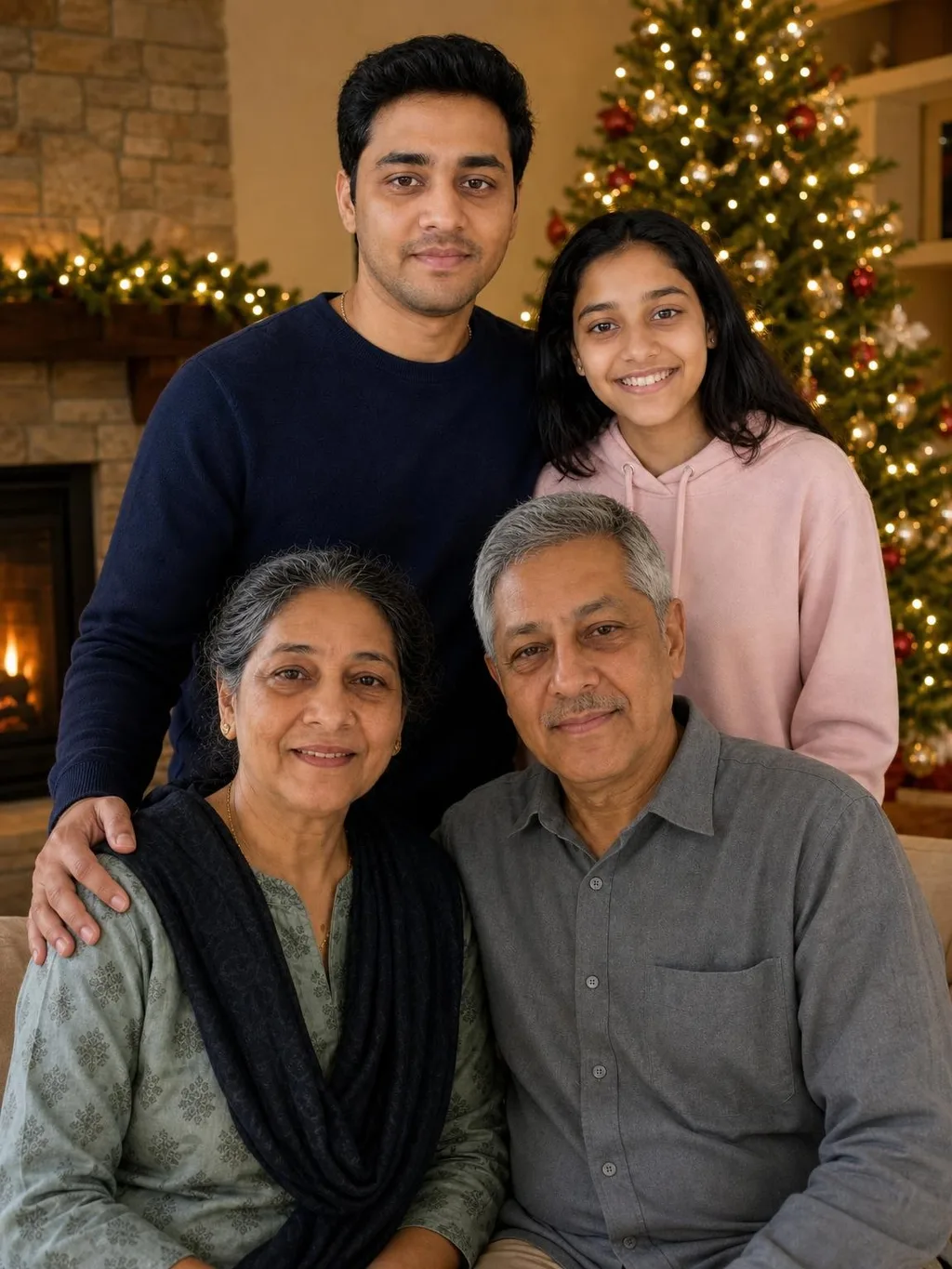
How to merge family photos into one picture that looks real
Combine 2 to 6 separate photos into one family portrait: which source photos work, the steps, what the AI keeps and changes, and fixes for bad results.
Obituary photo requirements: the specs, the three mistakes, and the deadline you are working against
JPEG only, at least 200 dpi at print size, under 2 MB, and it will print in black and white. What newspapers and Legacy.com actually ask for, why the photo you have usually fails, and how to fix it in twenty minutes.
AI photos on dating apps: what Tinder, Hinge and Bumble actually say
Only one of the three names AI in its rules, and it bans it conditionally. Here is what each policy really says as of August 2026, why the face scan matters more than the policy, and where the line between a better photo and a different person sits.
Etsy quietly deleted its aspect ratio advice - here is what happens to your first photo now
The 4:3 recommendation everyone still repeats was removed from Etsy's help pages in February 2026. Etsy now crops your primary image three ways, from the centre, and says plainly that a dark or blurry one ranks lower.
Team headshots: what a photo day actually costs, and the new hire nobody budgets for
Published rate cards for a 20-person team span 7x, a team day is half a day on site, and the person who joins six weeks later costs two to five times per head. What the numbers really look like, and where generated headshots fit.
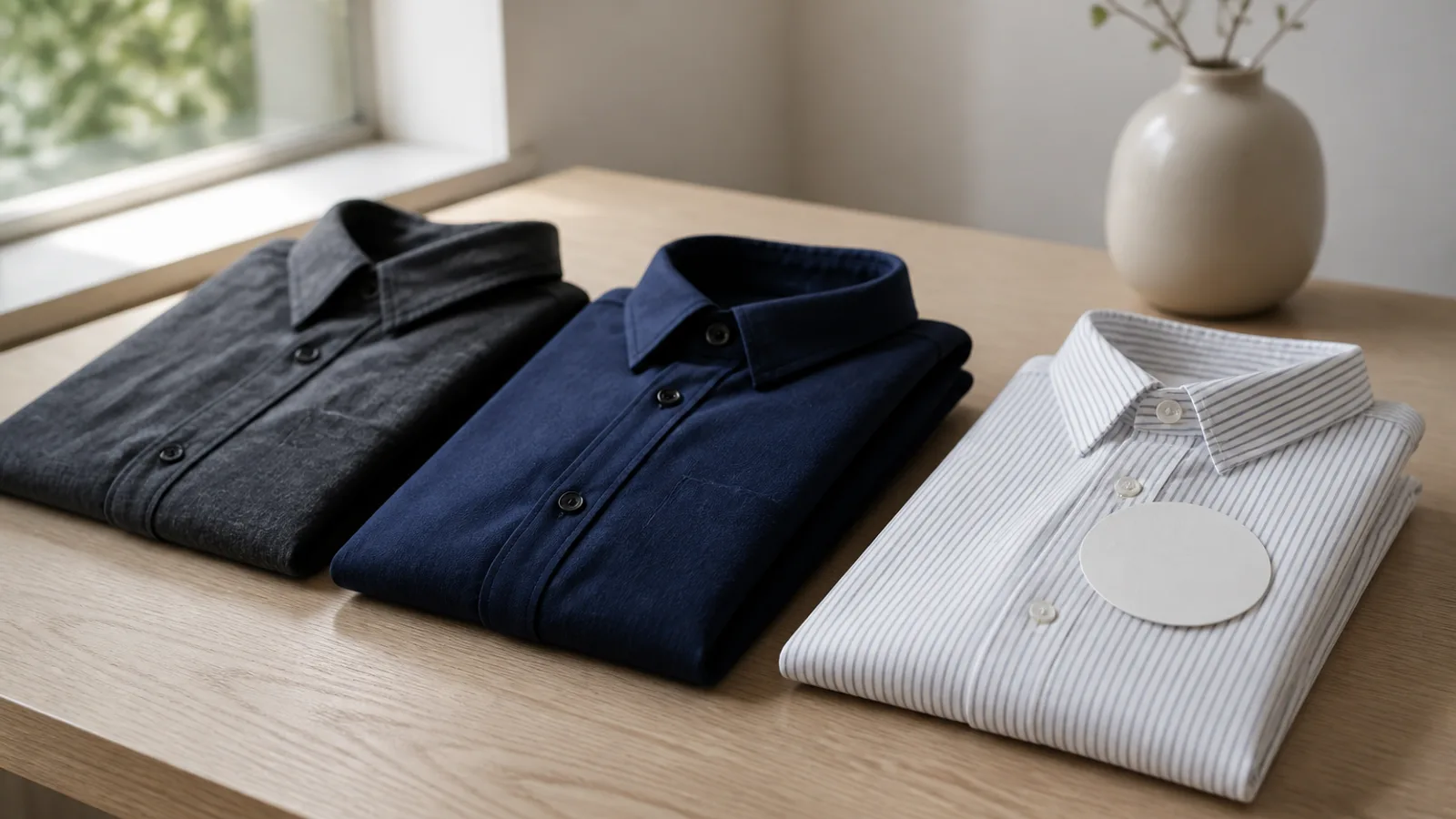
What to wear for a LinkedIn headshot, judged at 40 pixels
Most advice about headshot clothing is written for a photo the size of a poster. Your photo is a 40-pixel circle next to a comment. Here is what survives that, what dissolves, and what to wear for reference photos if you are generating the shot.
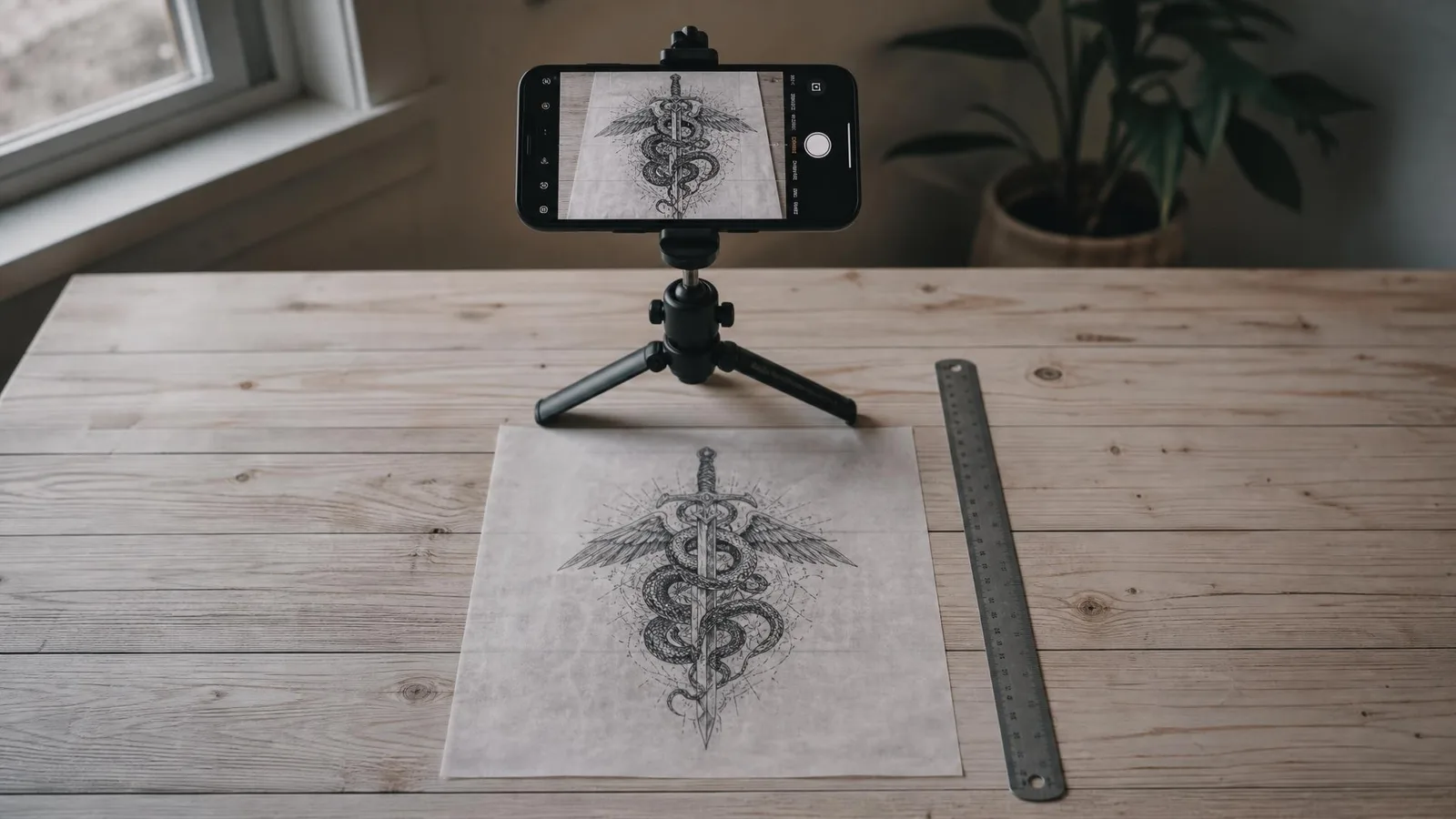
Tattoo try-on: how to photograph the spot so the preview tells the truth
A try-on is only useful if the size, the curve and the skin tone are honest. Five rules for photographing the body part before you preview a design on it - and the three shots that quietly lie about scale.
Why AI headshots look fake - and the four things that fix it
Plastic skin, a jaw that isn't yours, the same grey office behind everyone. Four failure modes that make generated headshots read as fake, what causes each one, and how to check a result before you put it on a profile.
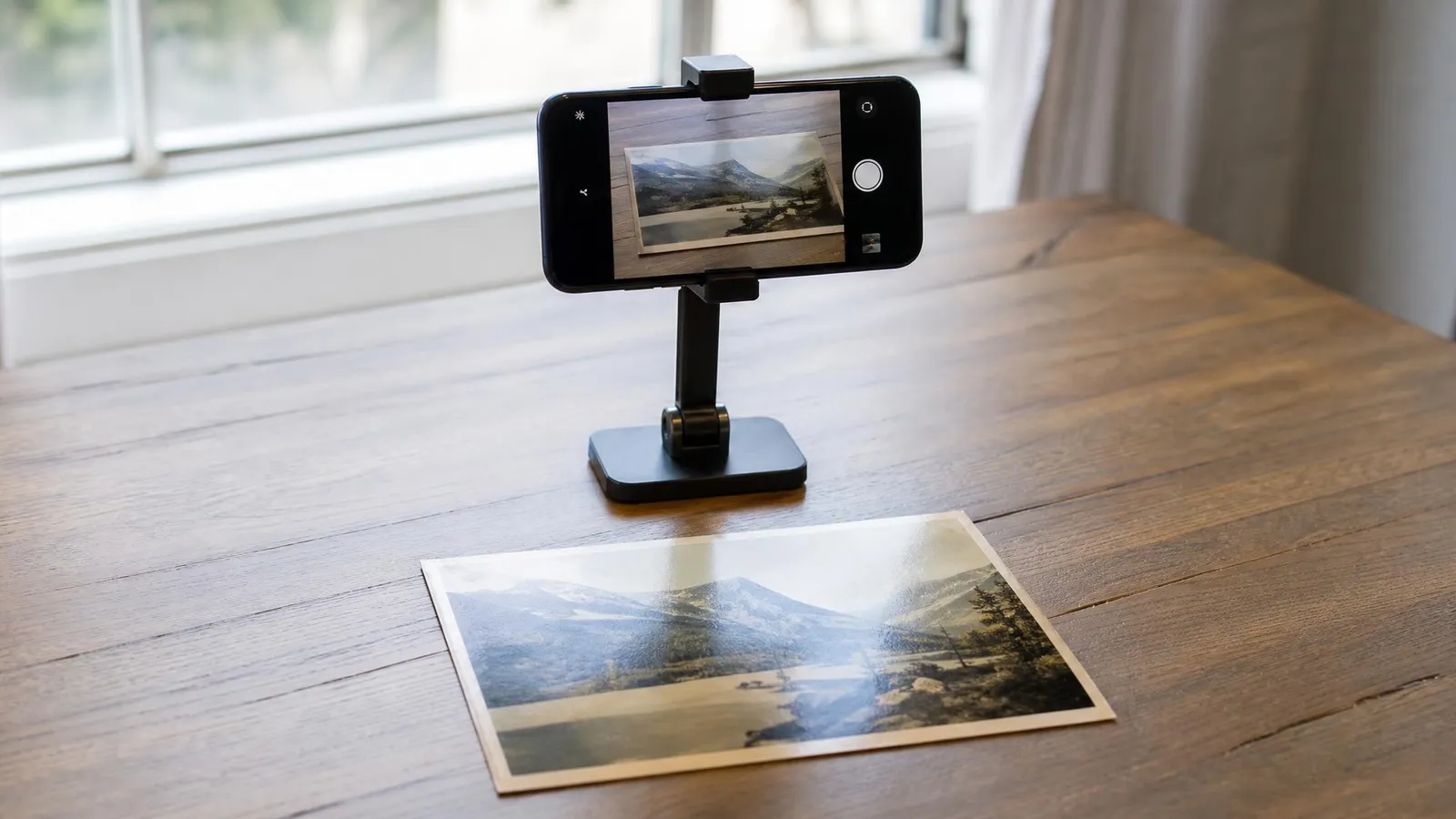
How to photograph an old print with your phone - five things that ruin the copy
Before anything can be restored, the photo has to be captured. Glare, your own shadow and a tilted phone throw away more detail than the damage did. Here's what goes wrong and how to fix each one in about a minute.
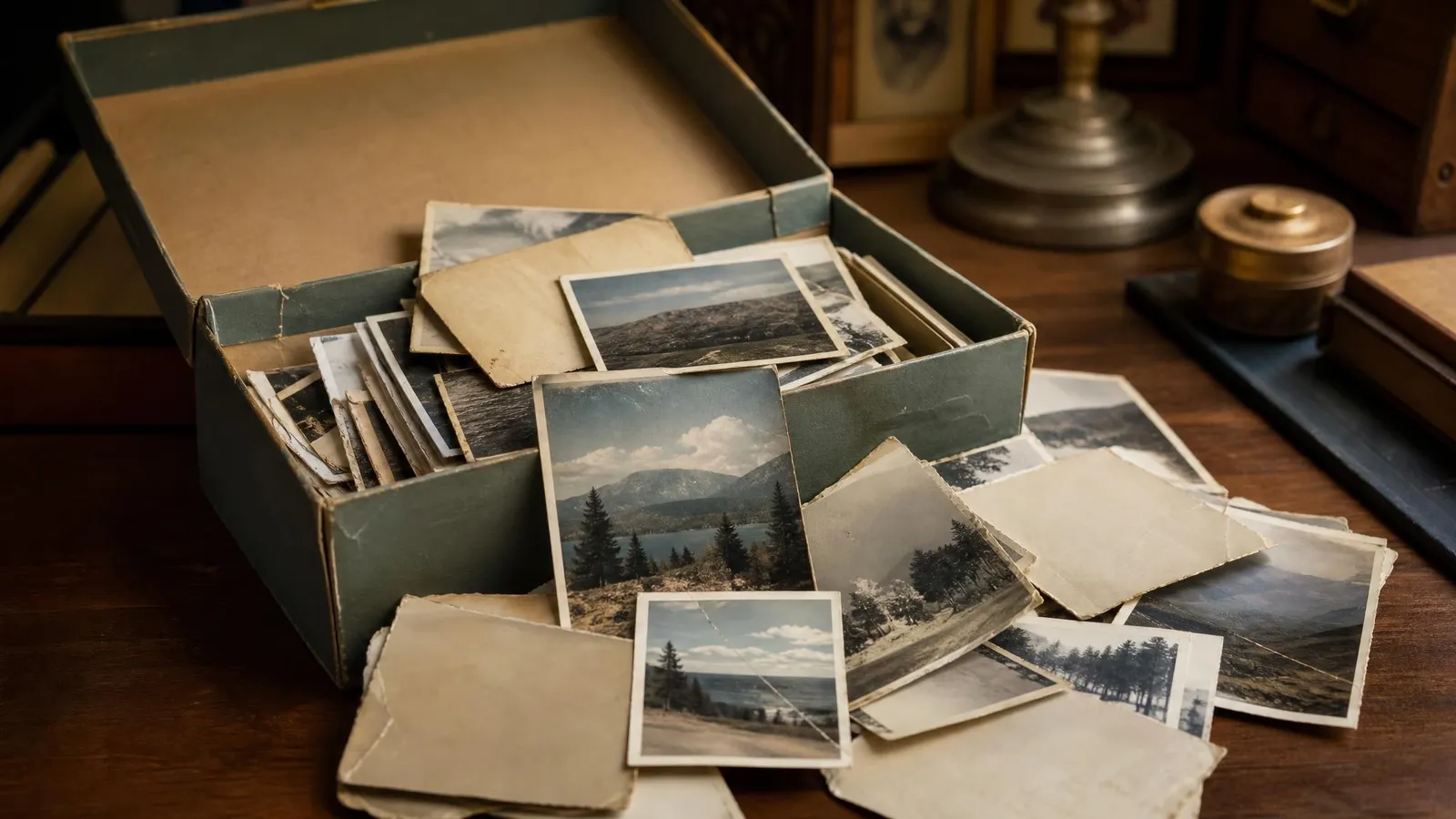
The real cost of photo restoration in 2026
Restoration studios, freelance retouchers, hand colourists, AI tools, DIY Photoshop. What each path costs per photo, why the shoebox is the number that actually matters, and when to hire a human anyway.
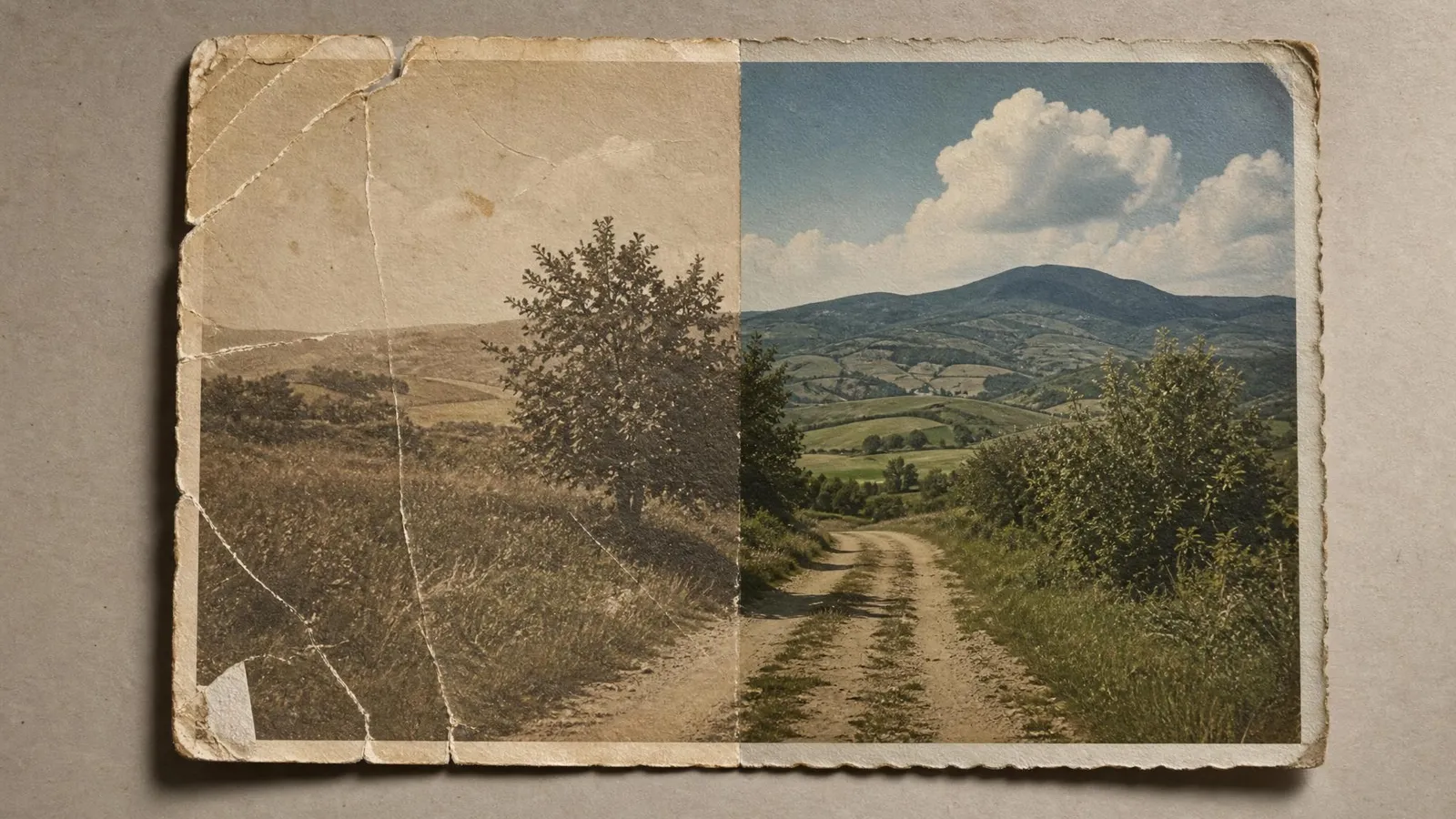
What photo restoration changes - and what it must never invent
Repairing an old photo and reimagining one look similar for about two seconds. The difference is whether the face that comes back is the face that went in. Here's the exact boundary our repair pipeline draws, and the test you can run on any tool.
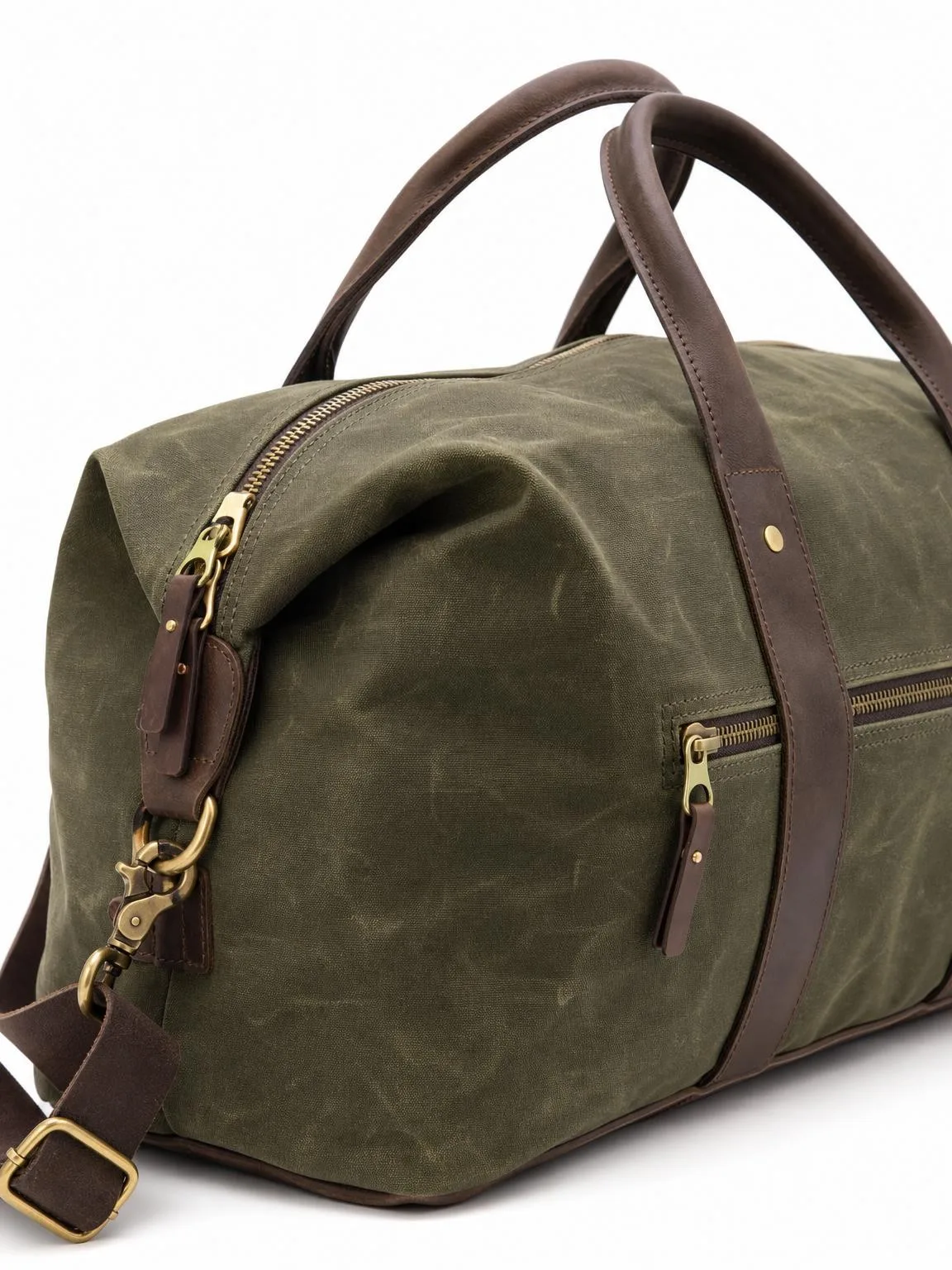
Which platforms allow AI product photos? The 2026 policy map
Twelve platforms, twelve rulebooks, quoted from the source. Almost none of them ban AI. Almost all of them ban the thing people actually use AI to do.

The Airbnb photo checklist: what actually gets a listing booked
Guests decide from the first four thumbnails. Here's the shot order that works, the rooms most hosts forget, and the one edit that gets a listing removed.
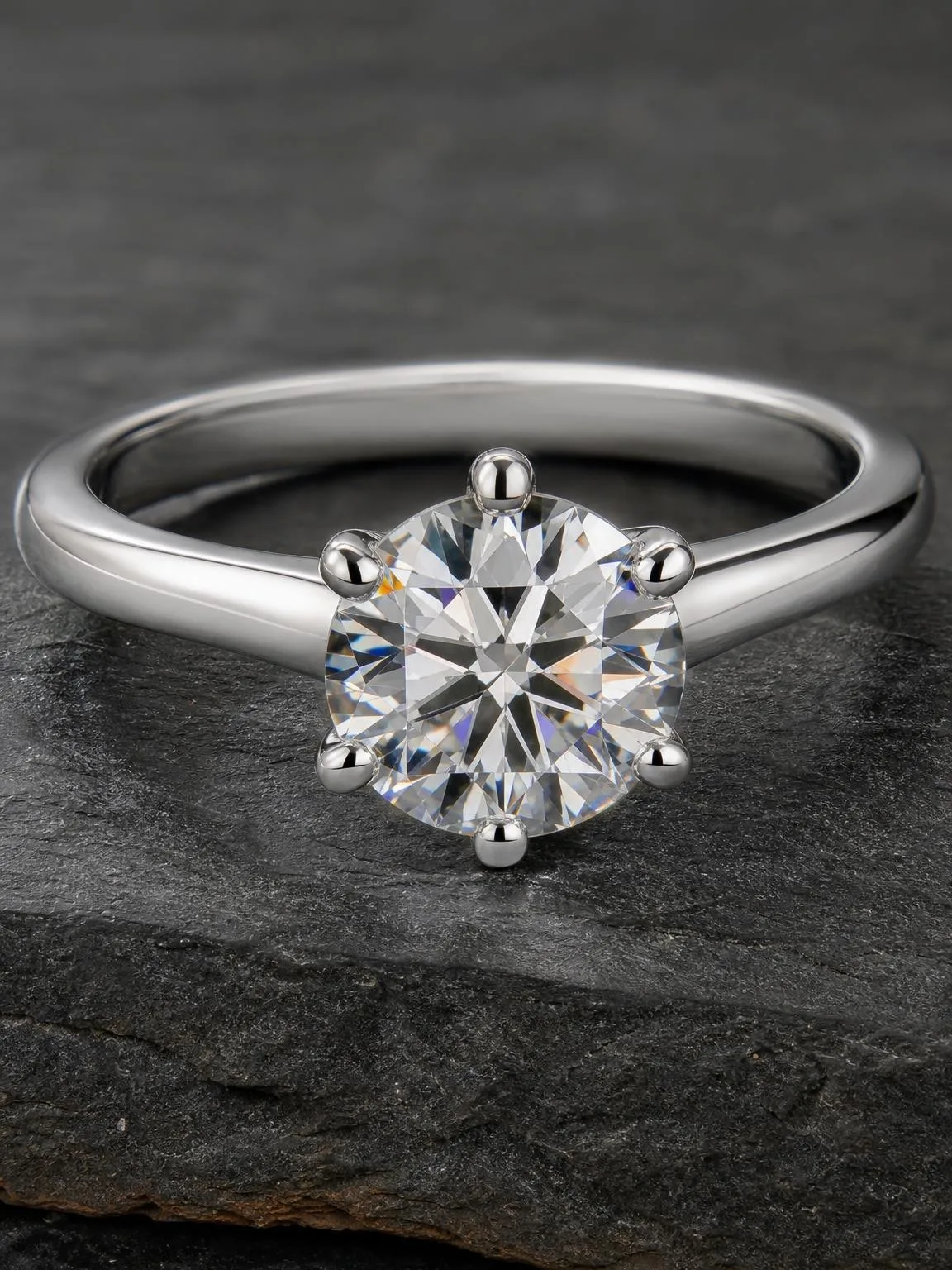
How to photograph jewellery with a phone - the four problems and what fixes them
Jewellery is the hardest thing a phone camera has to do: it's small, it's shiny, and it reflects the room you're standing in. Here's what actually goes wrong, and which parts a generated background can and cannot solve.
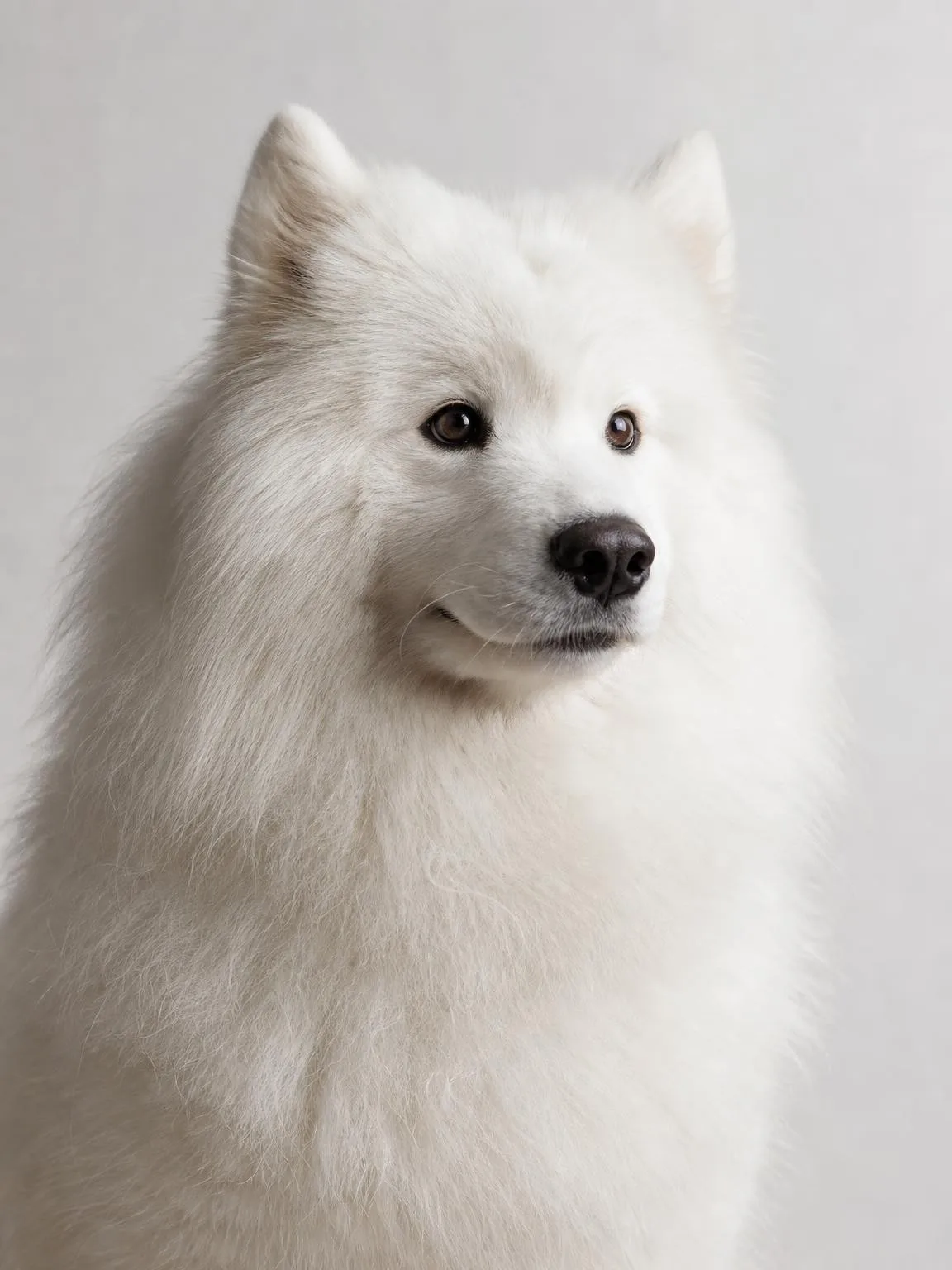
Six pet portrait styles, one dog - what changes and what must not
The same dog rendered six ways: white studio, dark studio, meadow, snow, home and Christmas. A look at what each style is good for, and the one thing that has to survive all of them.
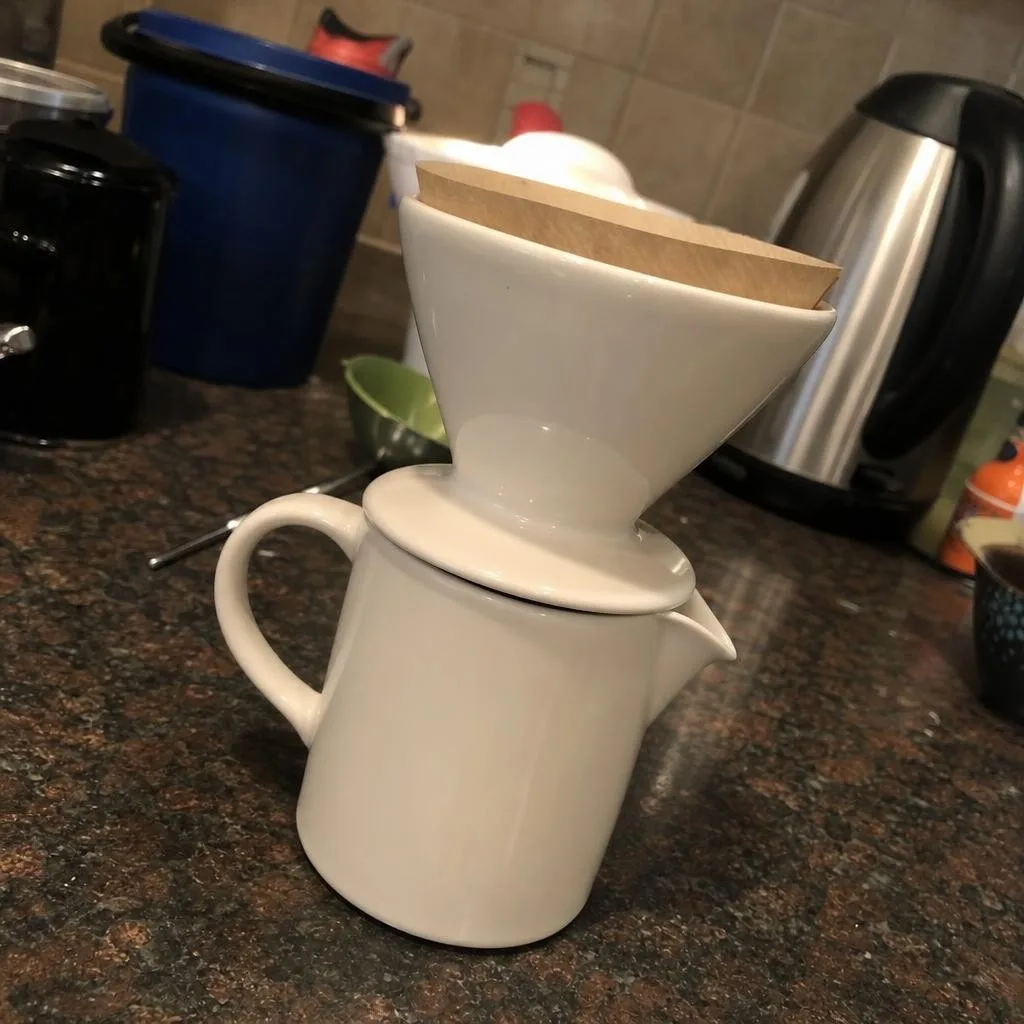
The three reference photos that decide whether your AI shots are usable
Every generated set is only as good as what you fed it. Three specific angles do almost all the work - and one of them is the reason most disappointing results are disappointing.
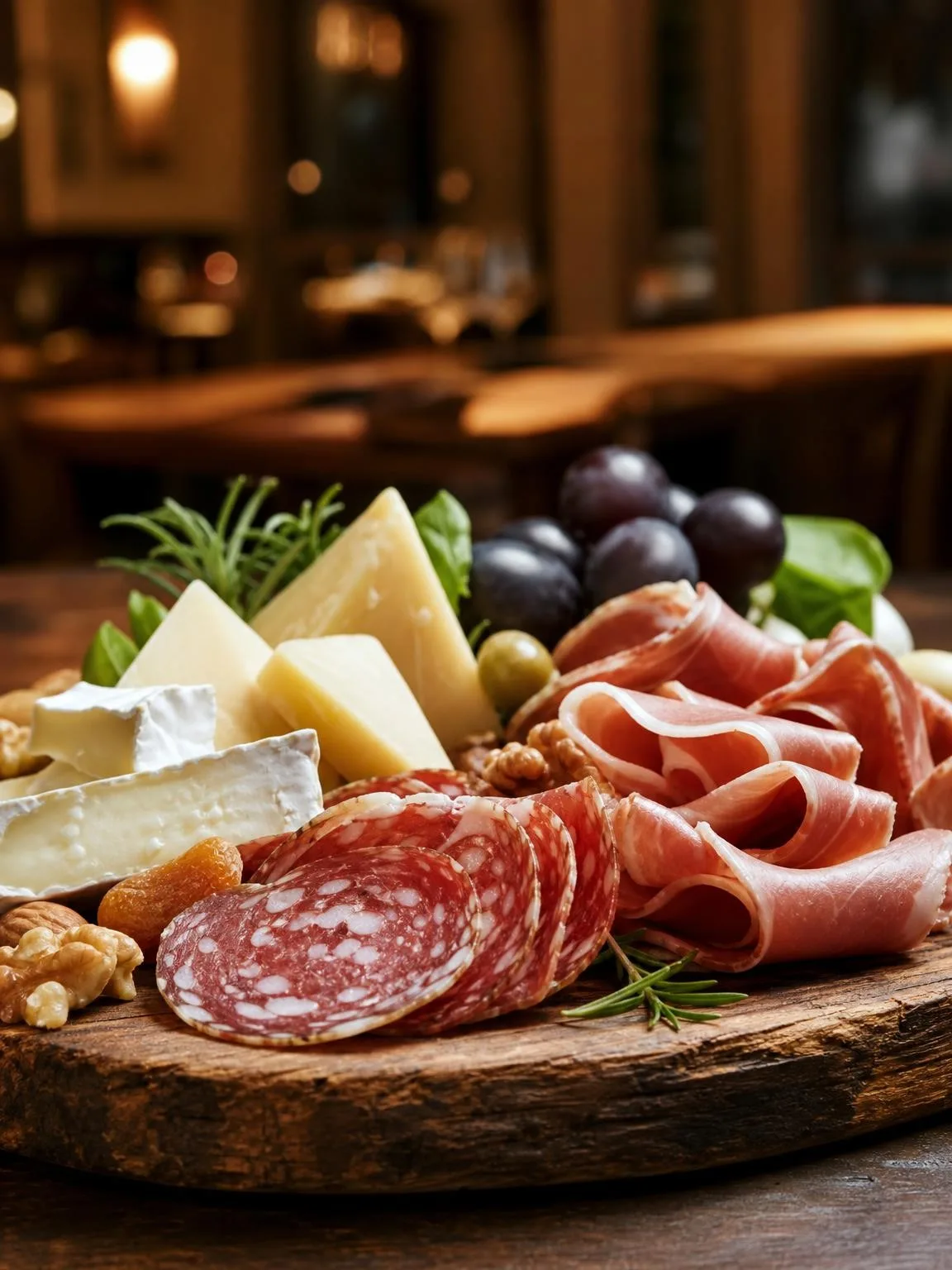
What a menu photoshoot costs in 2026 - and what the alternative actually is
A food photographer's day rate, what you get for it, and an honest account of where generated menu photos work, where they don't, and where they will get your listing pulled.
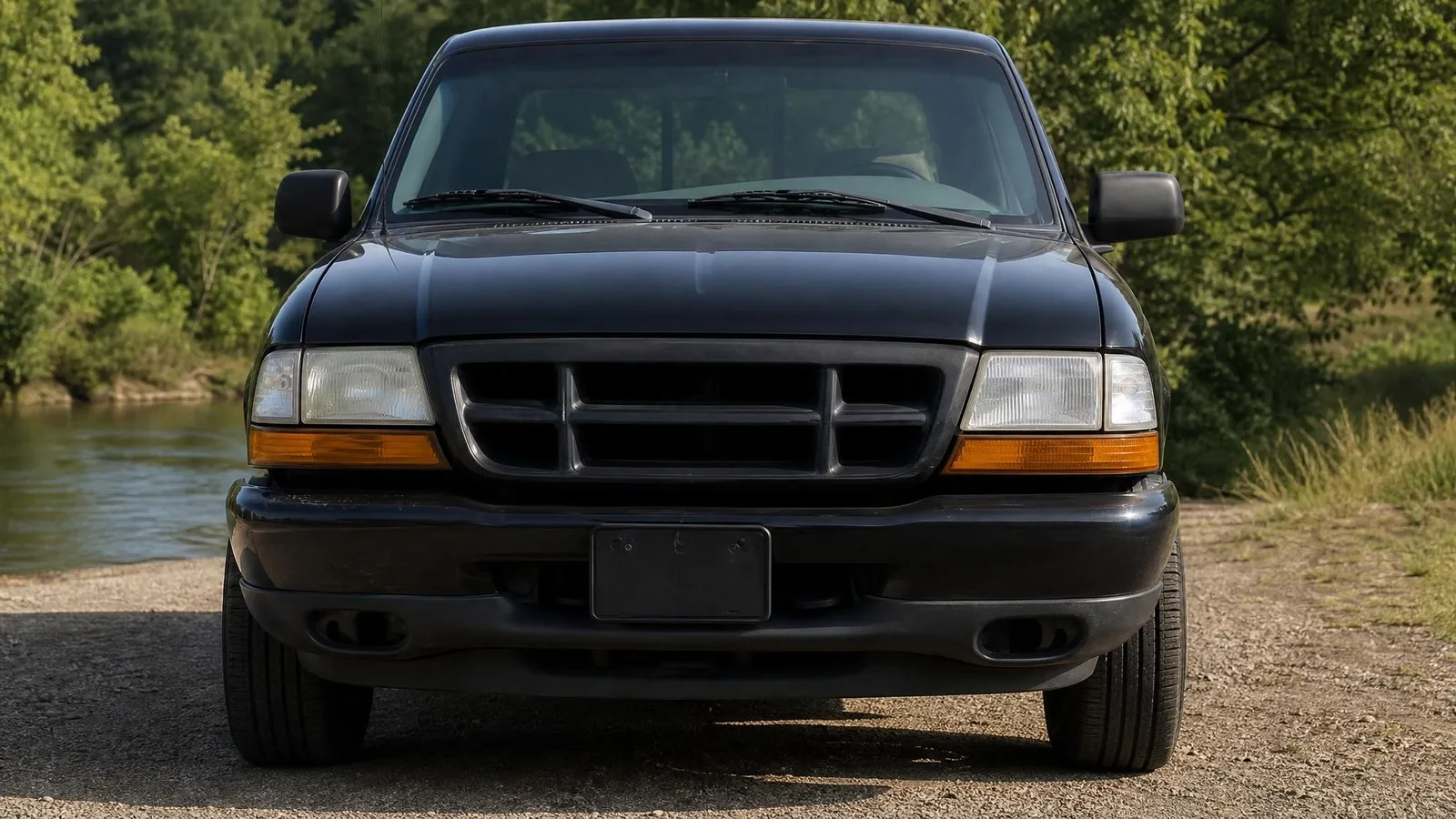
The six angles that sell a car - and the one that gets you a refund request
Every listing guide tells you to take more photos. Almost none tell you which six, in what order, or what to do about the driveway they're taken in. Here's the set, and where a generated shot is legitimate.
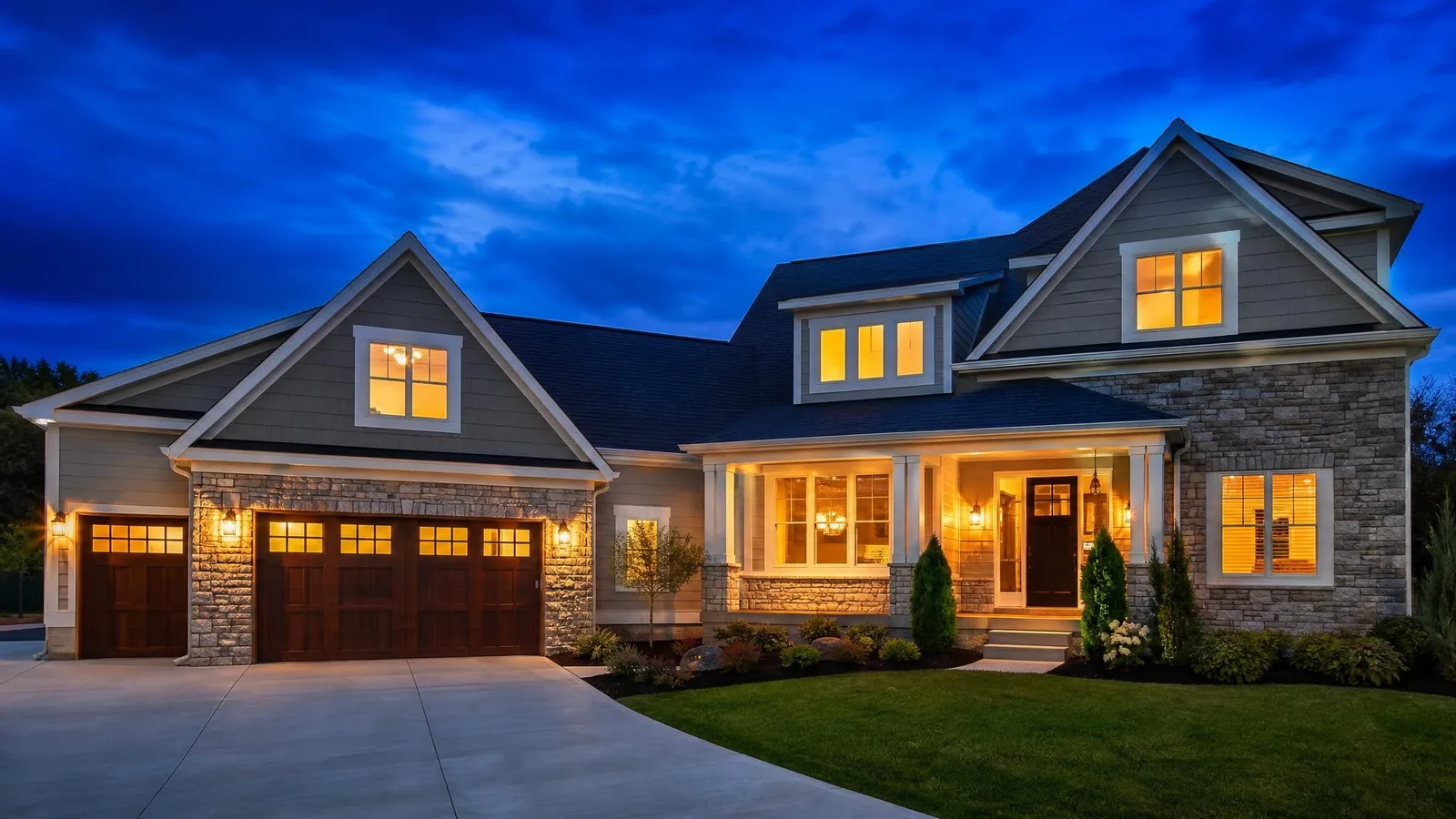
Twilight listing photos sell houses - and now they need a label
Dusk conversions are real estate's favourite premium upgrade. Under California's AB 723, a swapped sky is a 'digitally altered image' with a statutory disclosure duty. What changed and what to do.
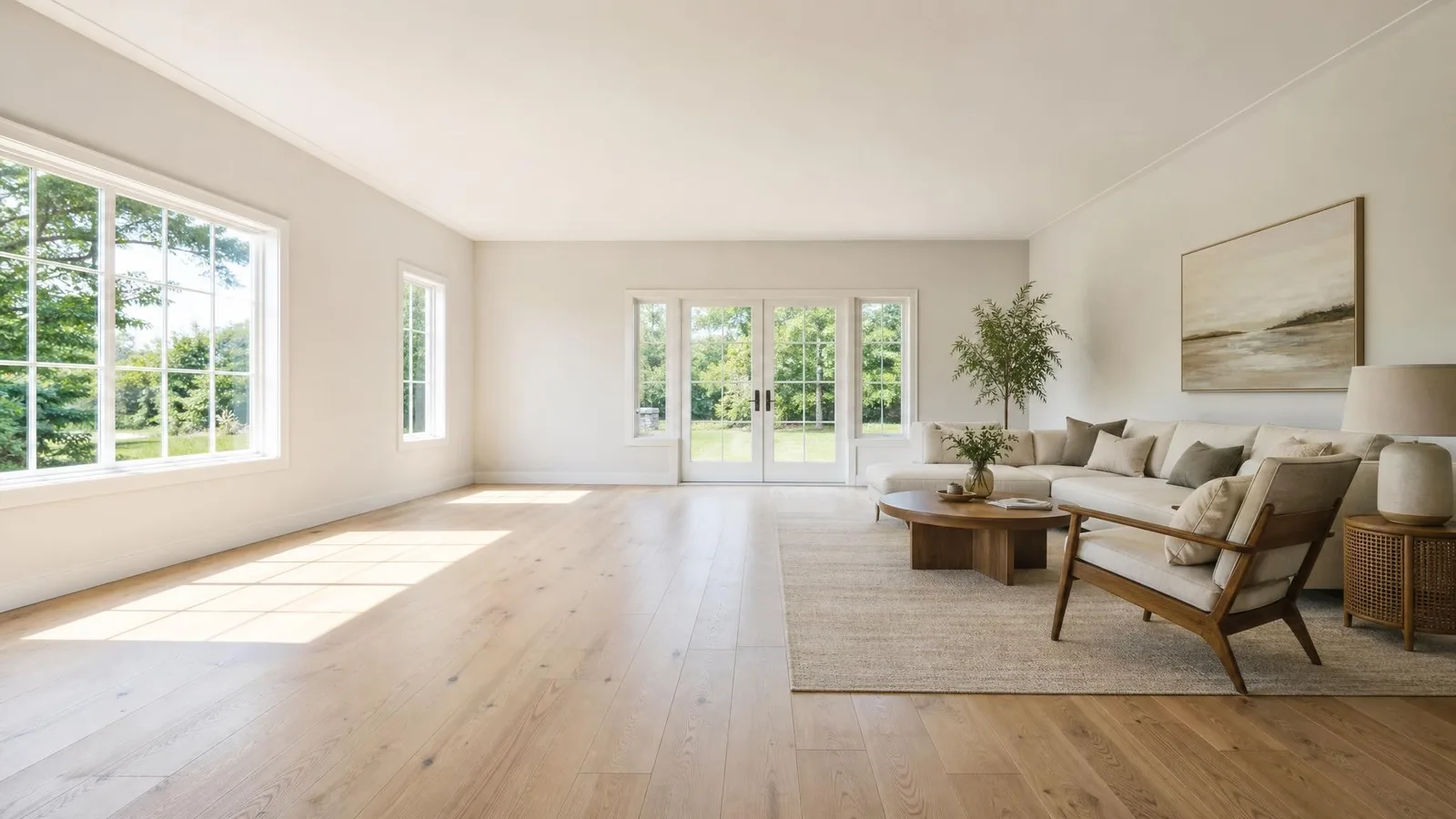
Virtual staging in 2026: stager, service, or AI - what each actually costs
Traditional staging runs four figures a month, virtual staging services charge per photo with day-long turnarounds. The price ladder, what each tier buys, and the disclosure duty none of them removes.
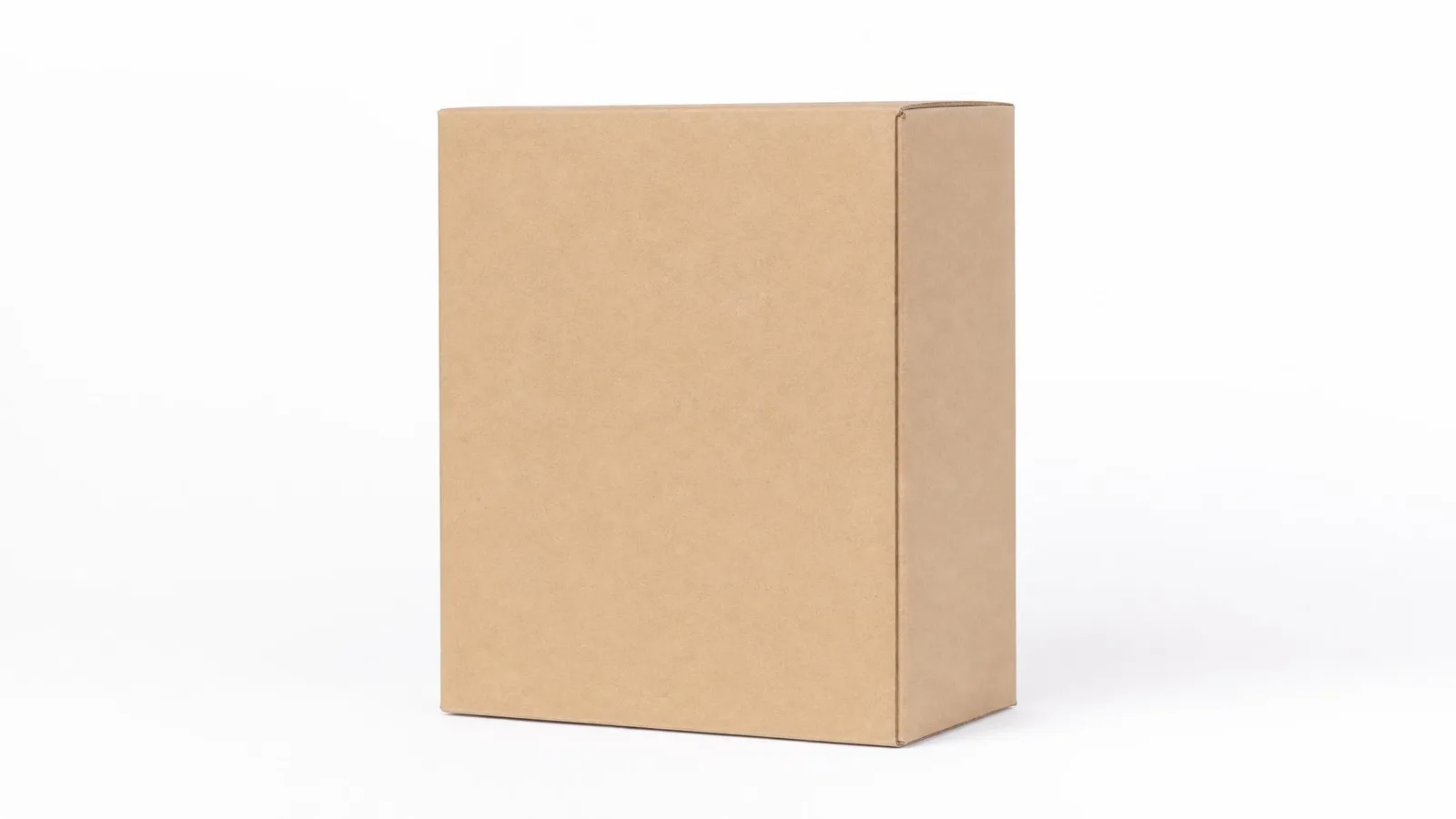
Amazon suppressed your listing over the main image - the recovery checklist
Search-suppressed for an image issue is fixable in an afternoon. The exact checks in order - background RGB, frame fill, size, text and props - with the free tools that verify each one.
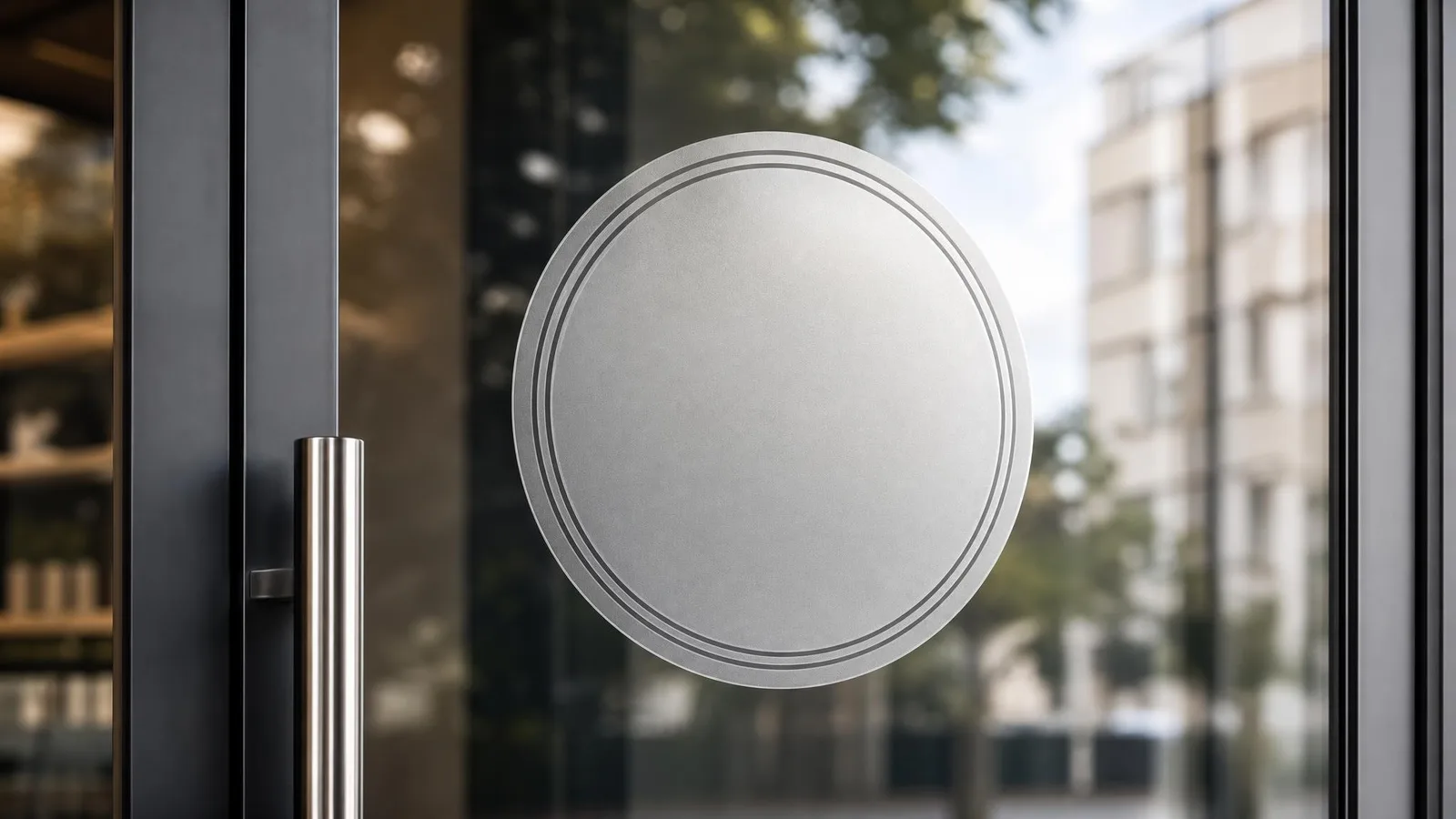
Logo mockups: generated scenes vs a brand photoshoot
A logo needs to be seen on things before anyone will put it on things. When a template mockup is enough, when a photoshoot is overkill, and where generation sits between them.
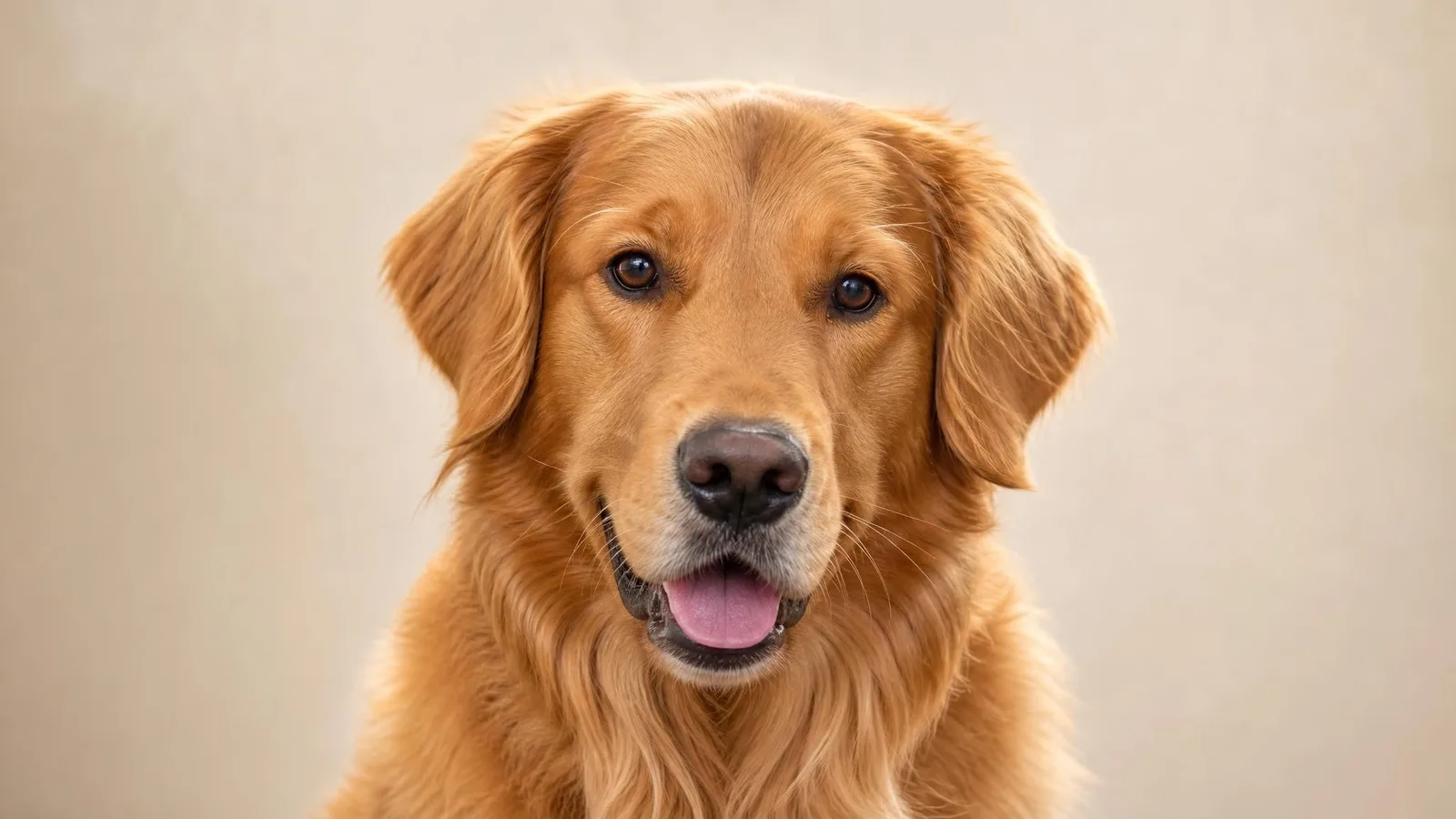
Pet portraits that look like your actual dog
The uncanny failure mode of AI pet portraits is a dog that's 90% yours - wrong blaze, wrong ear set, wrong soul. What identity means for pets, and how to photograph yours so it survives.
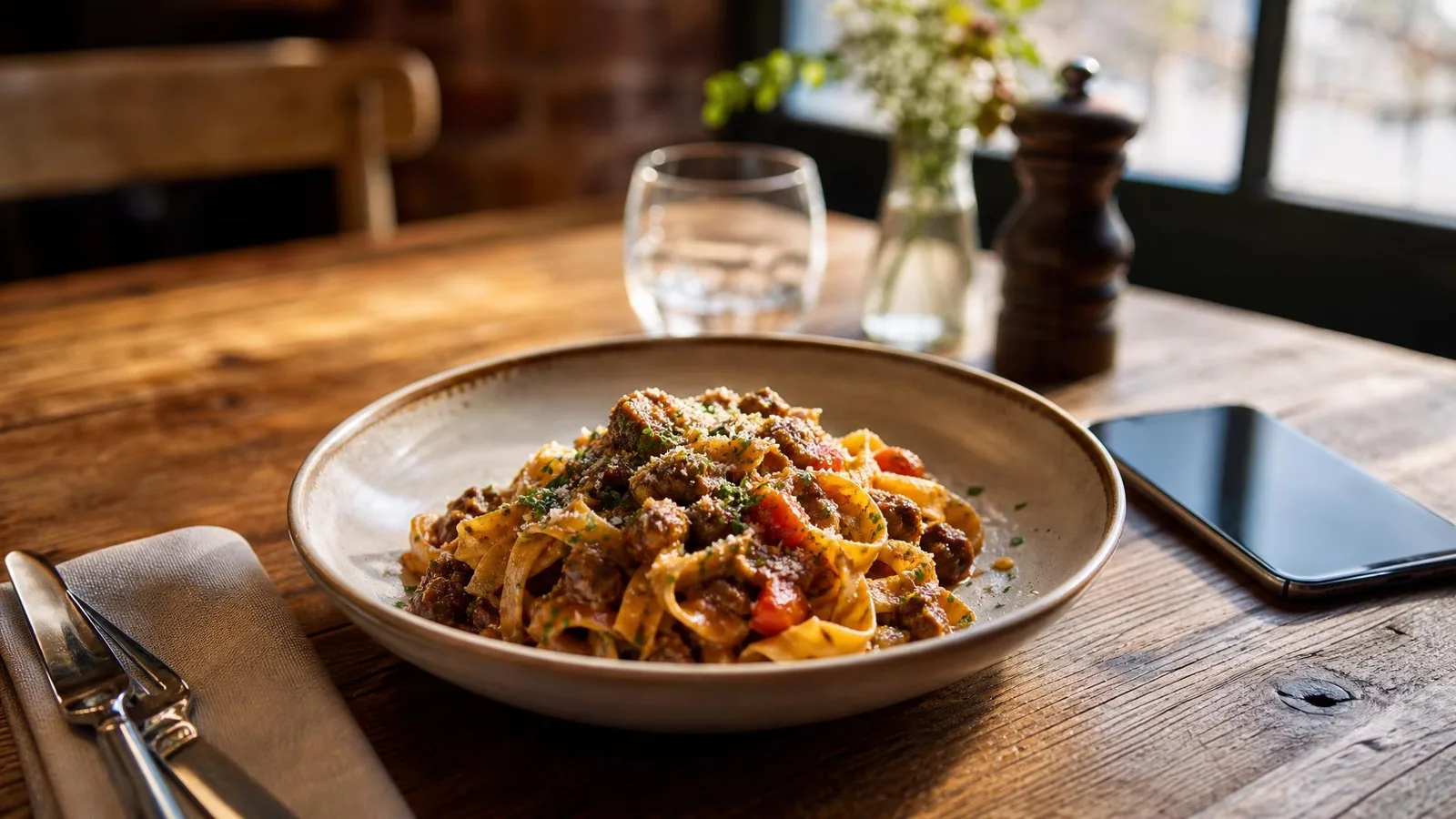
How we keep AI food photos from lying
Delivery platforms require the photo to match the plate - and hungry customers enforce it harder than any reviewer. Inside the constraints that keep a generated food photo honest.
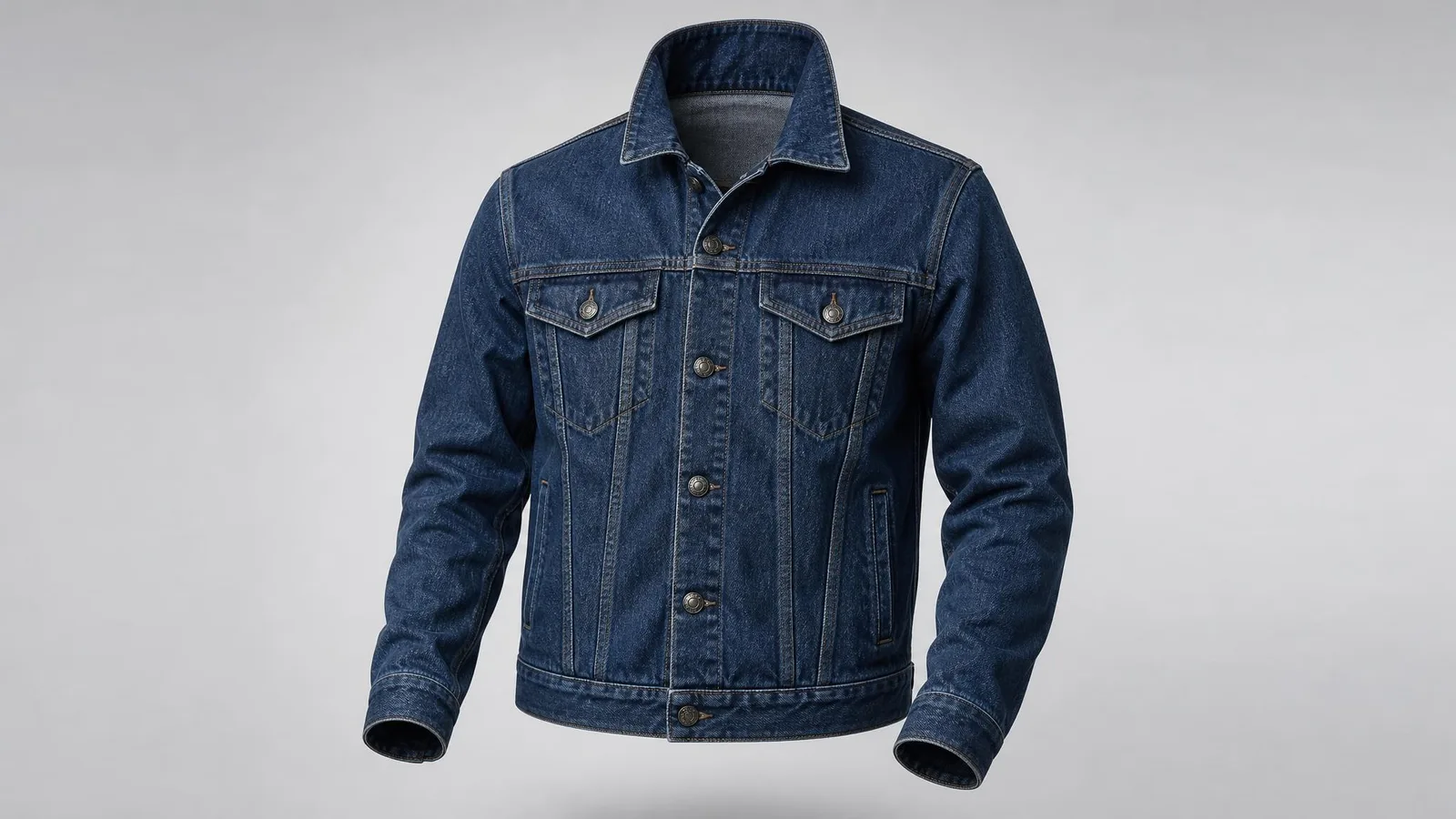
Ghost mannequin photos without the mannequin, the rig, or the retoucher
The invisible-mannequin look is the apparel standard for a reason - and the traditional way to get it is a two-shot rig plus compositing. Here's how the generated version works from one flat photo.
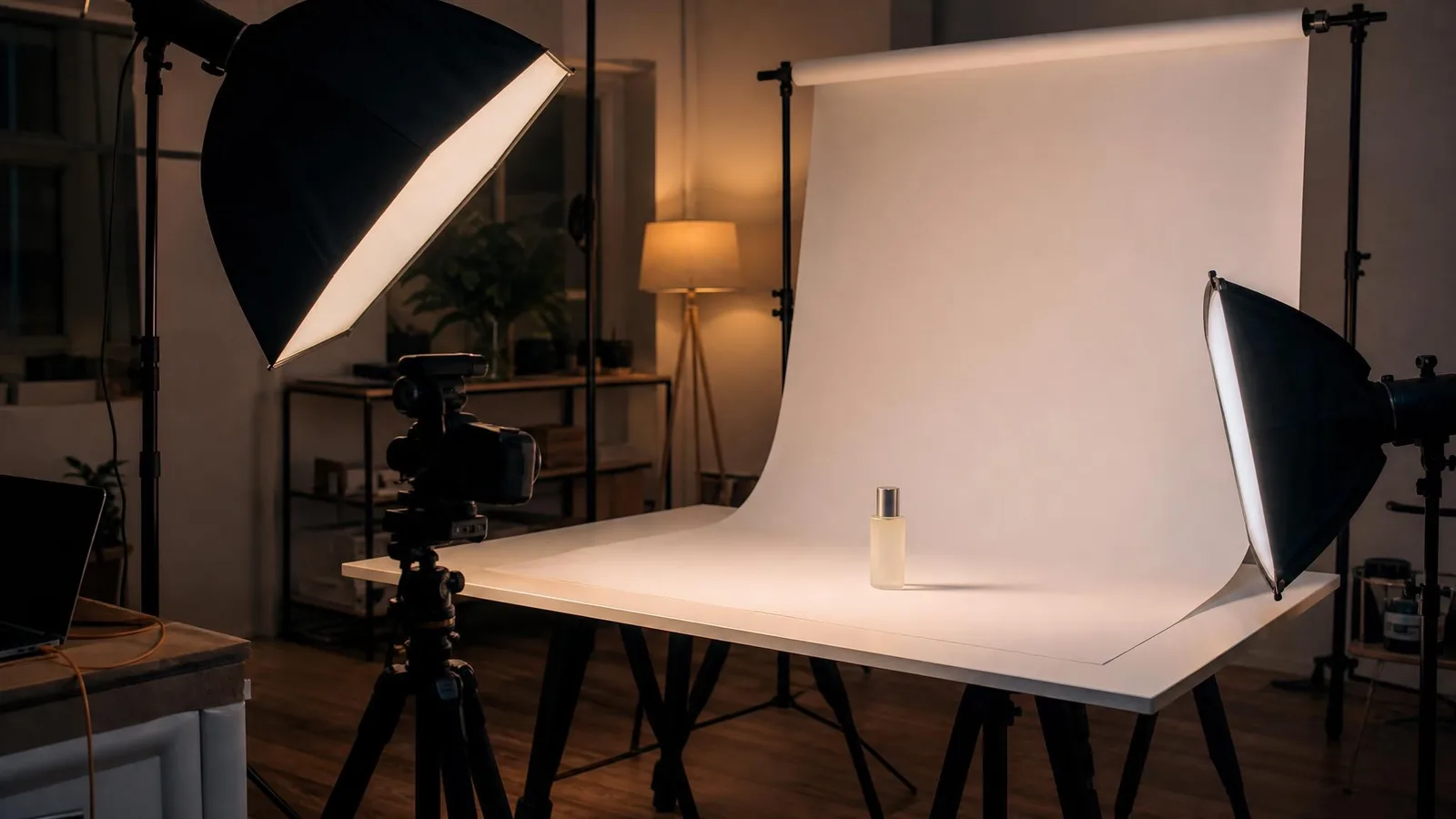
The real cost of product photography in 2026
Photographer day rates, per-photo studios, DIY kit, stock - and generation. What each path actually costs per usable listing photo, and where each one stops making sense.

What AI actually changes in a photo - and what it isn't allowed to touch
A generated product photo isn't a painting of your product. Here's the exact boundary between what our pipeline changes (light, background, composition) and what it locks (shape, colour, labels).