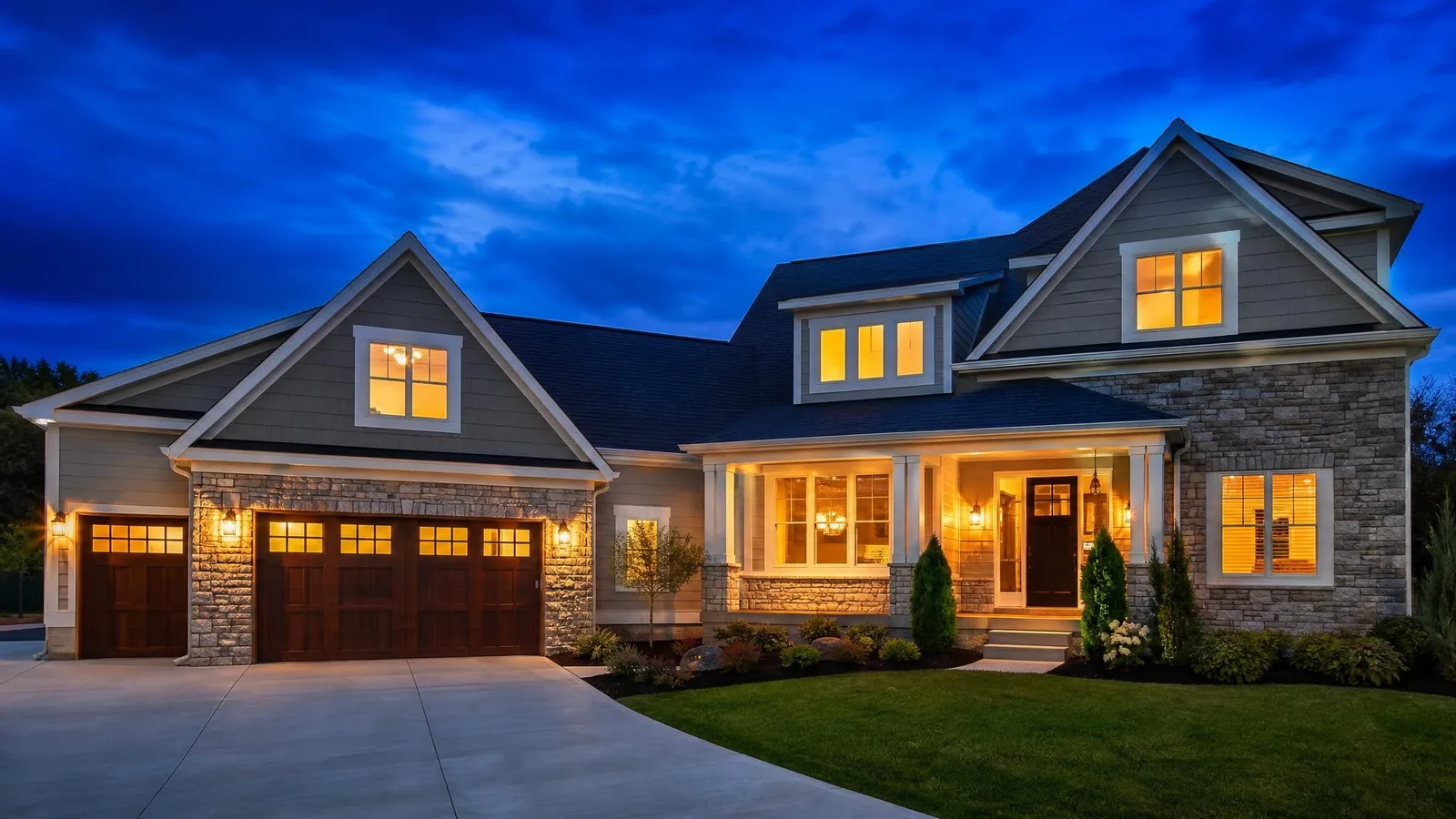
The twilight shot - deep blue sky, every window glowing warm - is the single most effective exterior upgrade in real estate photography, and photographers have sold “virtual twilight” conversions of daytime photos for years as a routine add-on. Nobody thought of it as staging. It was an edit, like straightening the verticals.
California just disagreed, in statute.
What AB 723 actually says
Signed in October 2025, AB 723 added a disclosure duty to the Business and Professions Code for digitally altered images in real-estate advertising. The definition names the things you’d expect - added furniture, removed fixtures - and then keeps going: paint colour, landscape, facade, and elements outside the property like views through windows. The exclusion list covers only development-style adjustments: exposure, white balance, cropping, straightening.
Read those lists against a virtual twilight conversion and there’s not much argument left. A replaced sky is not “exposure”. A February lawn rendered green is “landscape”. Both sit on the included side of the definition - meaning a conspicuous disclosure on or adjacent to the image, with the unaltered original available. The statute quotes, the CRMLS labelling mechanics and the $250 fine are laid out in our disclosure guide.
Outside California, MLS rules vary - but California has a habit of writing the first draft of everyone else’s rules, and disclosure costs you nothing today.
Does a label kill the magic?
The fear is understandable: does “digitally enhanced” under a gorgeous dusk shot make buyers distrust it? The evidence from staging suggests the opposite dynamic - labelled virtual staging has been standard for years and buyers have not stopped responding to staged photos. Buyers understand presentation; what breaks trust is discovering an edit they weren’t told about, usually while standing in front of a house with different windows than the photo.
The twilight shot still does its job with a label on it. It stops doing its job the day your board or a buyer’s attorney does the comparison for you.
The compliant twilight, start to finish
- Shoot the facade in daylight - level, wide, the whole frontage. Keep this original; it’s your required unaltered copy.
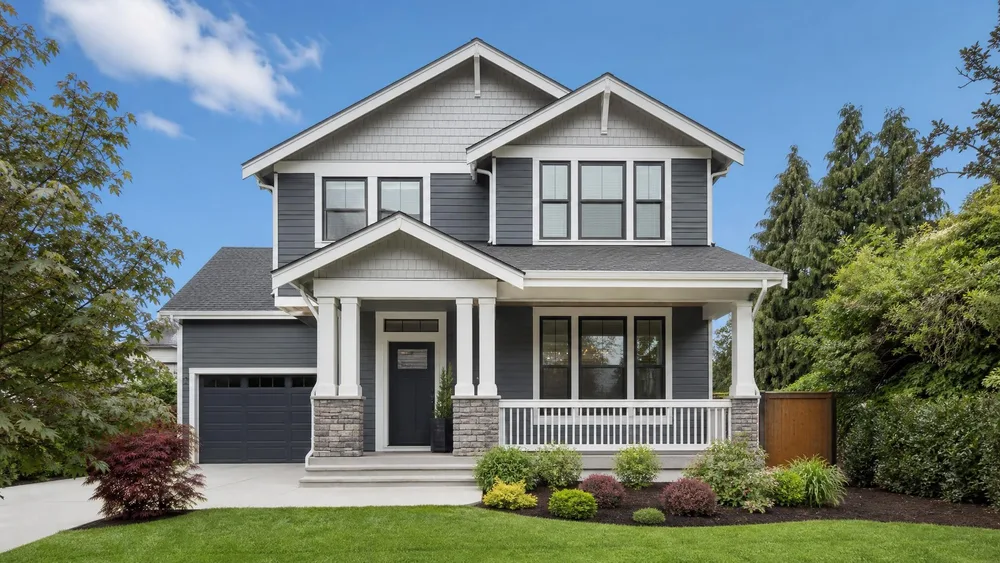
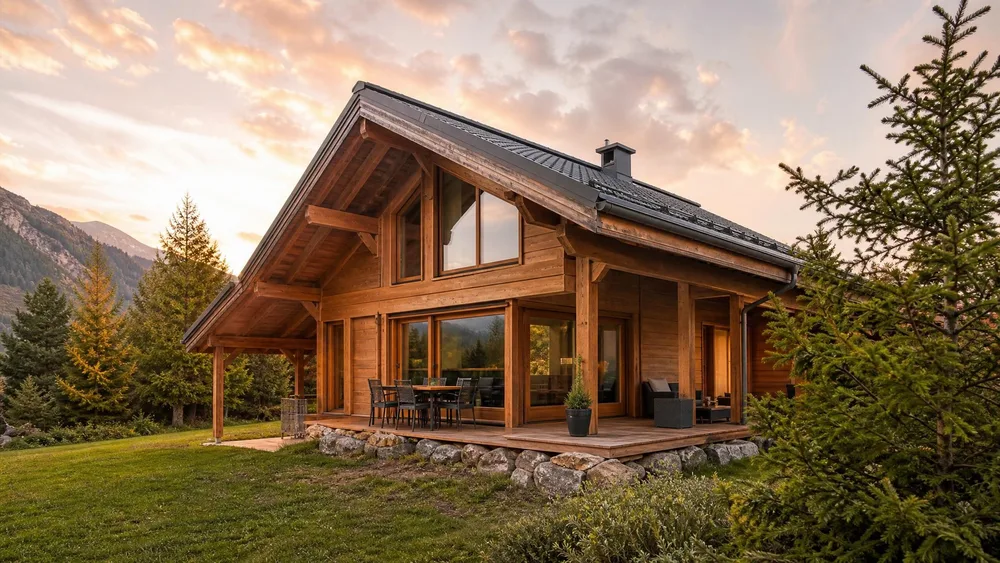
- Convert it. The exterior niche does twilight, golden hour, clean skies and a healthy lawn from that one photo - architecture, windows and surroundings locked to the reference, which is exactly the line the definition draws between enhancement of the photo and misrepresentation of the property.
- Label it. “Digitally enhanced” or your MLS’s accepted term, burned on with the free watermark tool, original paired alongside per your board’s rule.
Ten dusk shots for the price of one coffee, each one labelled, each original kept. The premium look survived regulation just fine - it’s the silent version that didn’t.