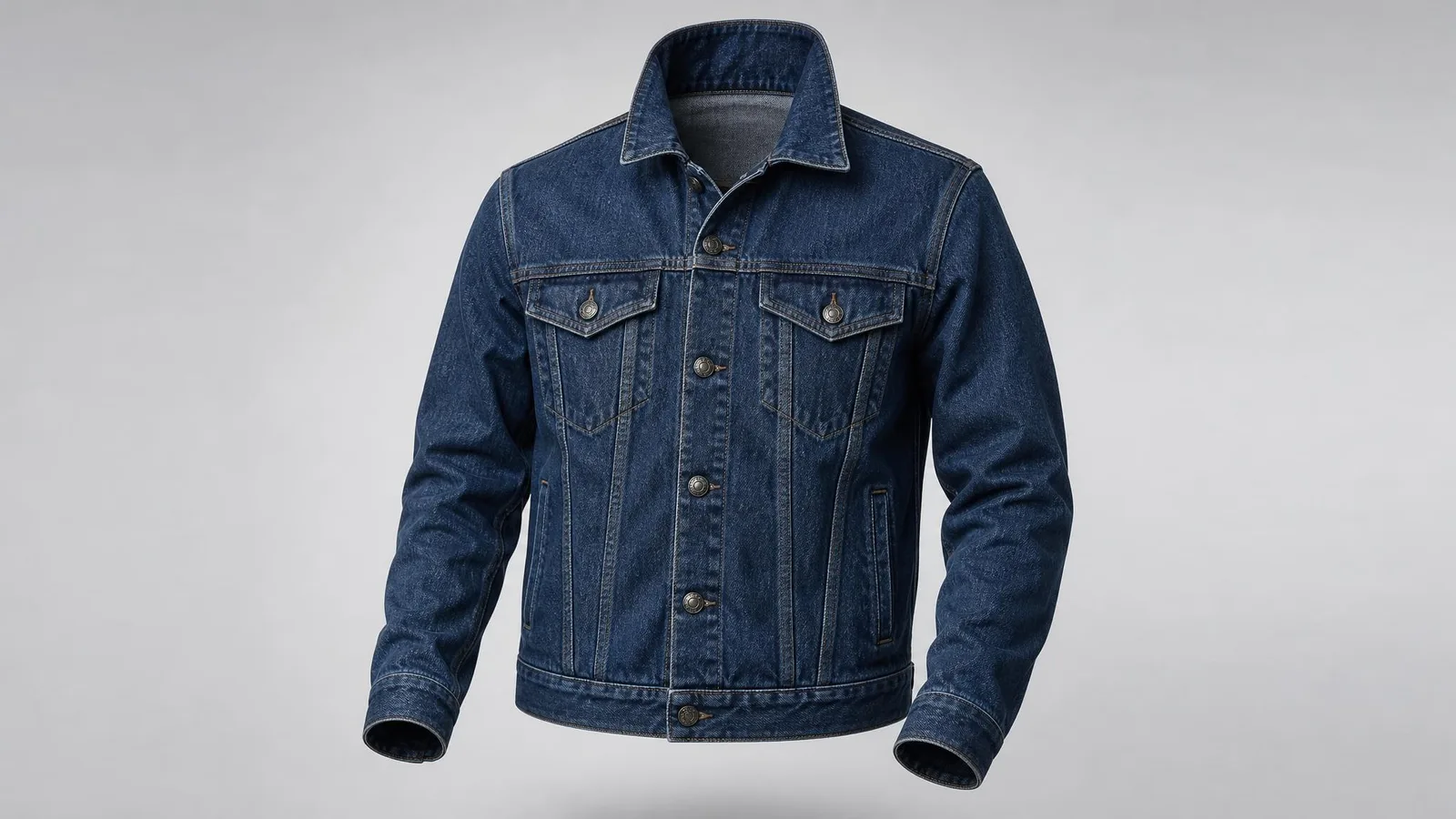
The ghost mannequin is e-commerce’s quiet workhorse: a garment holding a worn, three-dimensional shape with nobody inside it. Shoppers read fit and drape at a glance; nothing distracts from the product; no model’s styling dates the photo. It’s the house style of basically every serious apparel catalog.
It’s also, traditionally, a pain to produce.
The old workflow
The classic method needs a mannequin with removable panels, two photographs per garment - one on the mannequin, one inside-out on a hanger for the neck/inner label area - and a retoucher to composite them so the garment appears hollow. Studios charge accordingly, and the per-garment cost lands in photographer territory: real money multiplied by every SKU and every colourway.
DIY versions exist (fishing line, tape, patience) and they photograph exactly like fishing line and tape.
The generated version
Phoxel’s clothing niche starts from a much lazier input: your garment photographed flat - on a bed, a chair, a cheap hanger, whatever you have. The generation renders it as the finished catalog shot in one of four presentations:
- Ghost mannequin - the worn 3D shape, no body, no visible mannequin
- Flat-lay - styled and shot from directly overhead
- Hanging - on a simple wooden hanger
- Folded - crisp edges, knitwear-table energy
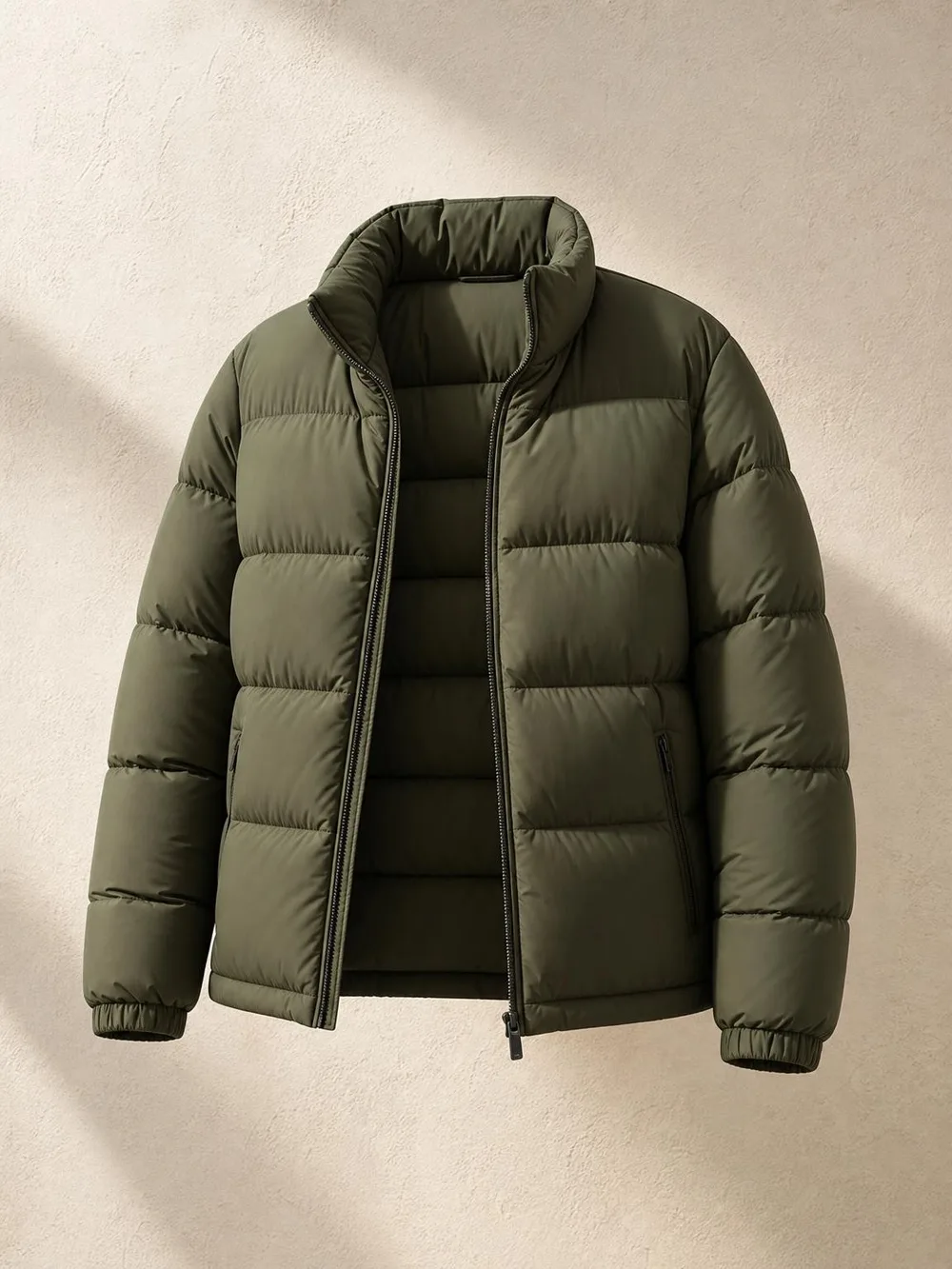
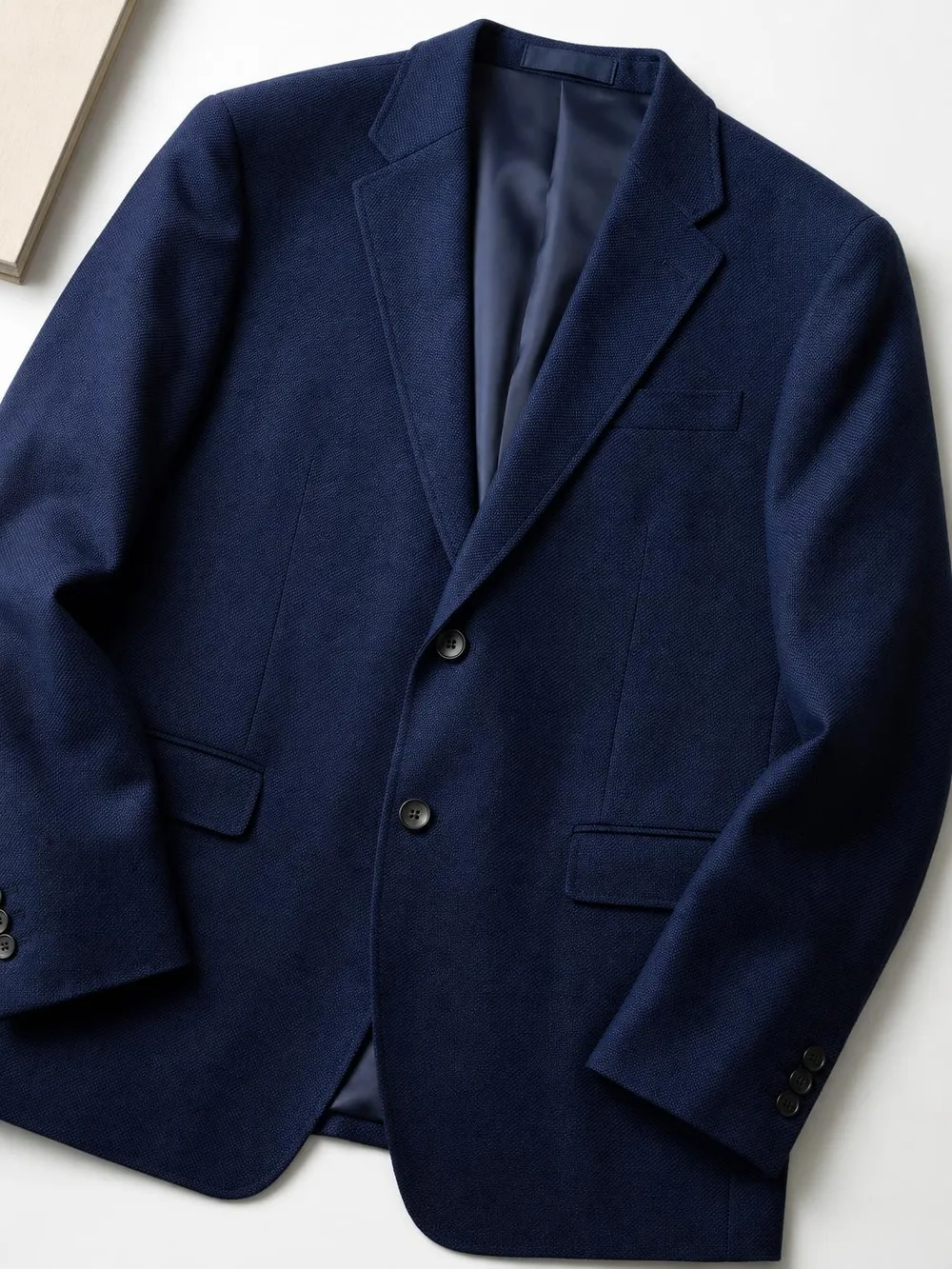
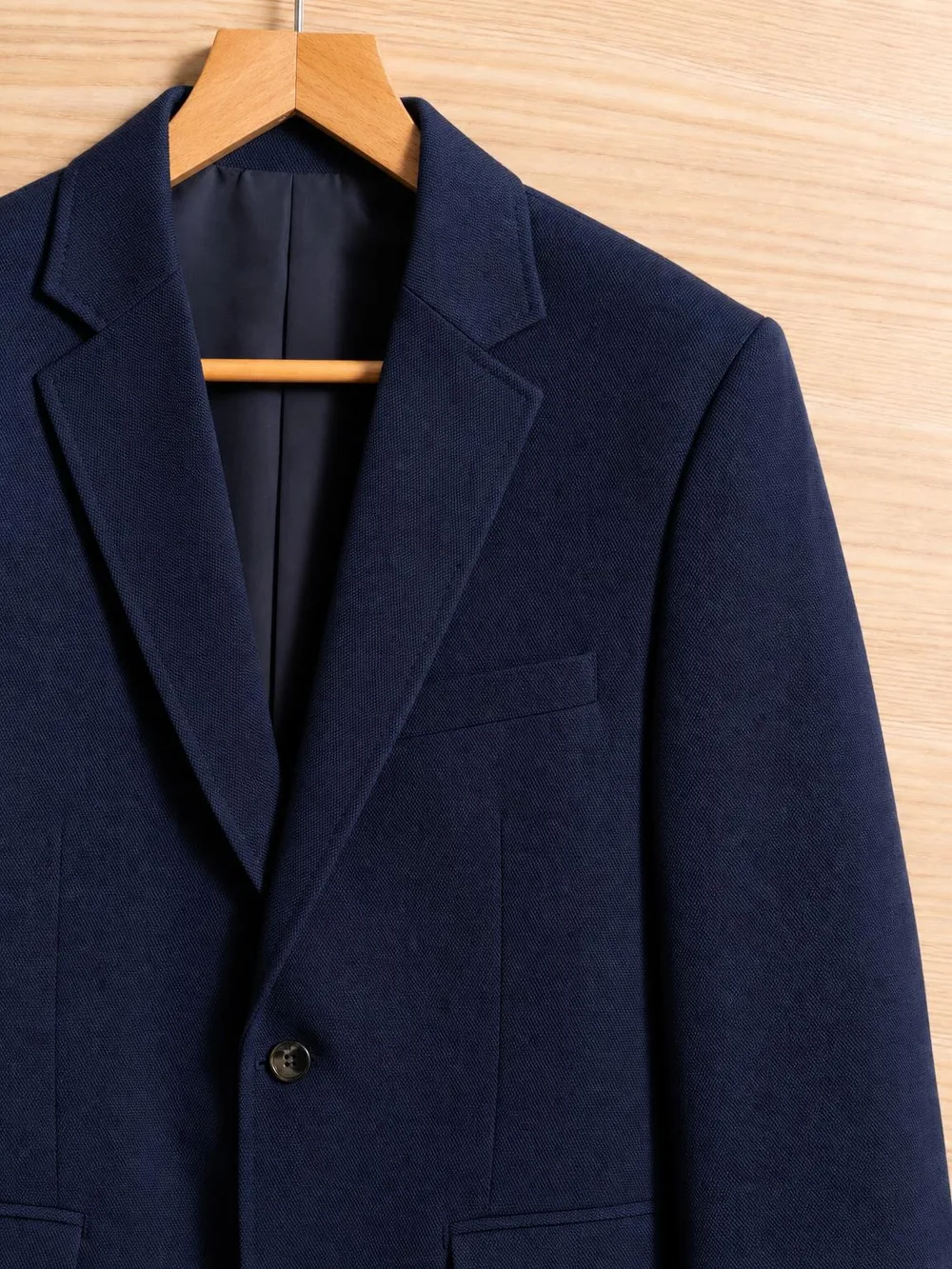
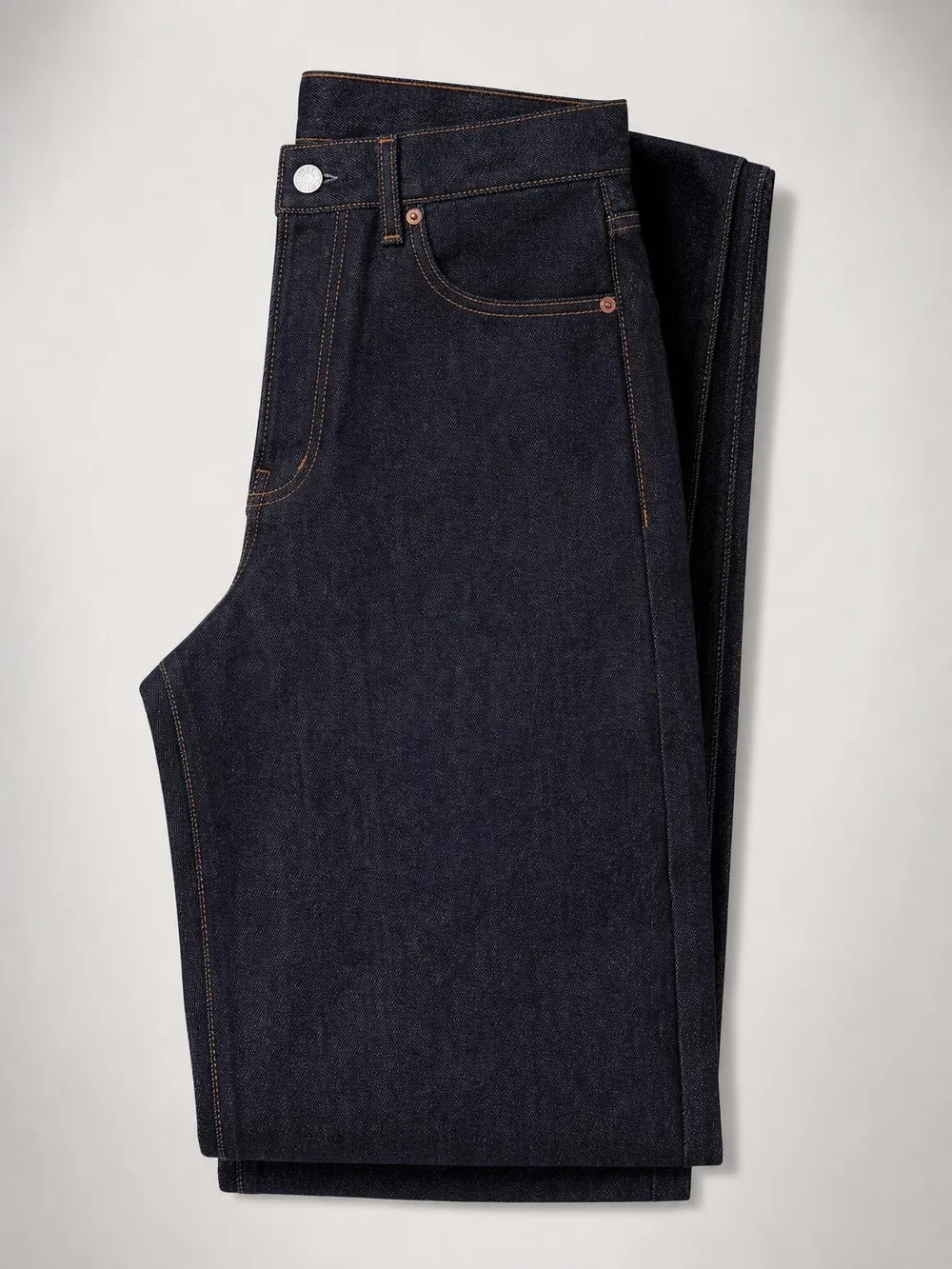
Backgrounds run from seamless white through linen, wood and concrete to a blurred boutique interior - and because a variation costs under a dollar, shooting your whole colour range in a consistent style stops being a budget line.
The part we’re strict about
Fabric fidelity is the entire product here. A recoloured garment, a shifted print, invented stitching - any of those makes the photo useless no matter how professional it looks, so the generation prompts treat colour, print and construction as untouchable. This is the same fidelity boundary that governs every niche, applied to the category where it’s hardest: fabric is texture all the way down.
Two honest limits. Fine mesh and complex lace can lose their weave in a way solid fabrics don’t - check those outputs closely, retries are free. And this niche is deliberately model-free by construction: no bodies, no faces, ever. If your platform requires on-model photography for your category - some Amazon clothing categories do - the ghost-mannequin shot fills the supporting slots, not the main image. Check your category’s rules before you build the listing around it.
Where the photos go
The 3:4 default matches apparel-listing convention; 4:5, 1:1 and 9:16 cover the grid and Stories. Whatever the destination’s pixel spec, the free resizer crops to each marketplace’s published dimensions without stretching.
One flat photo per garment. The rig, the panels and the compositing were never the point - the shape was.