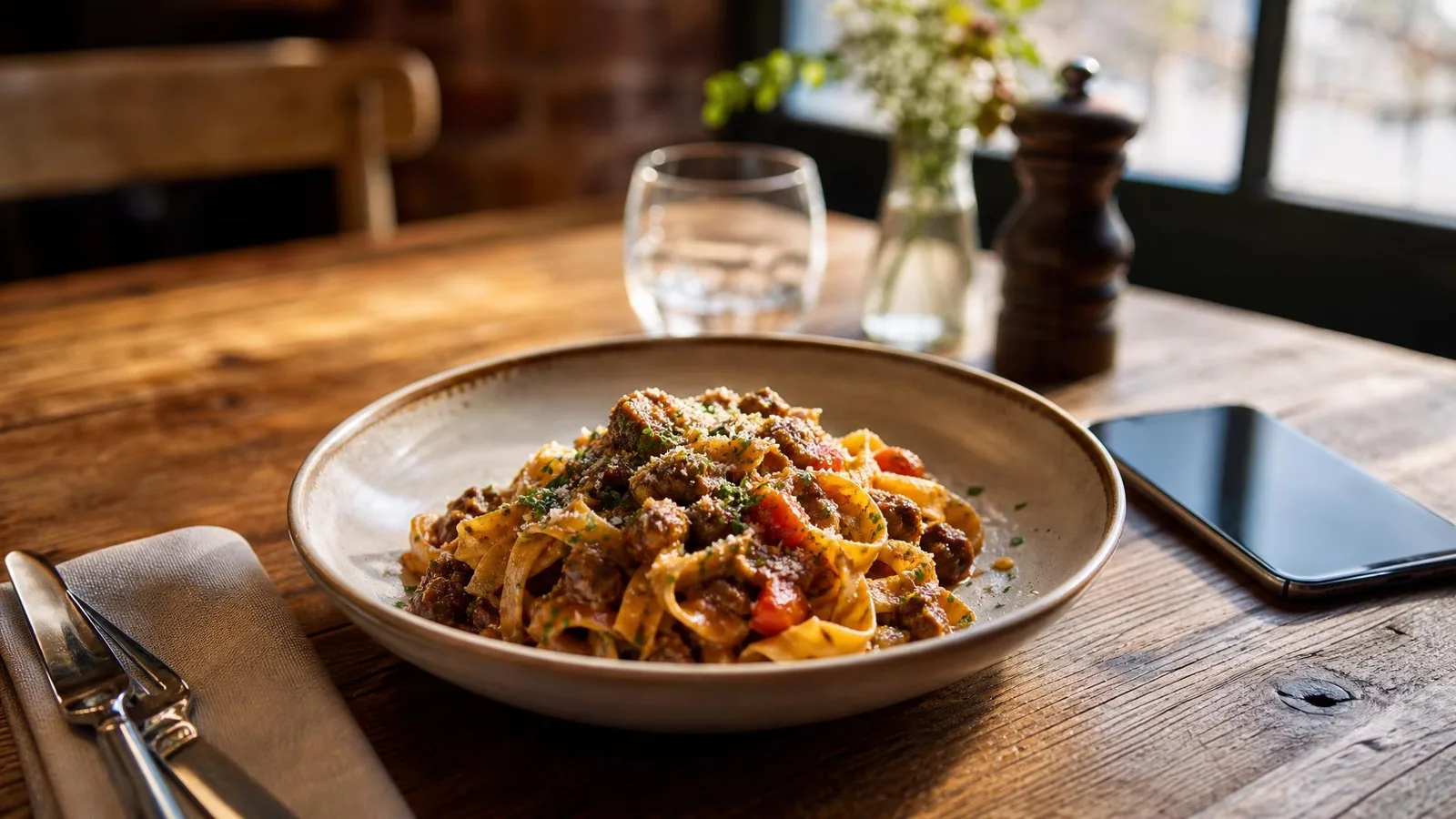
Food is the easiest category to generate a beautiful photo in, and the easiest one to lie in. A model that will happily add a glistening garnish, plump up the portion and throw in a side of fries is a refund machine - because unlike a sofa or a watch, the customer compares your photo to reality within thirty minutes, while hungry.
So the food niche is built backwards from one rule: the photo is a promise about the plate.
What the platforms require
Both big delivery platforms write this into their rules - the photo must “accurately represent” the single item being sold. The full published specs are in our Uber Eats & DoorDash guide; the short version is that pixel dimensions get photos rejected, but misrepresentation gets merchants reviewed. One is an inconvenience, the other is your account.
And platform review is the soft enforcement. The hard enforcement is a one-star rating with a photo of what actually arrived attached.
The constraints, concretely
The generation prompt for food is written as a fidelity contract before it’s a style sheet:
- No invented ingredients. If the reference bowl has no avocado, the output has no avocado.
- No inflated portions. The plate fills the same share of the dish it filled in your photo.
- No phantom garnishes. The parsley you didn’t put there stays not-there.
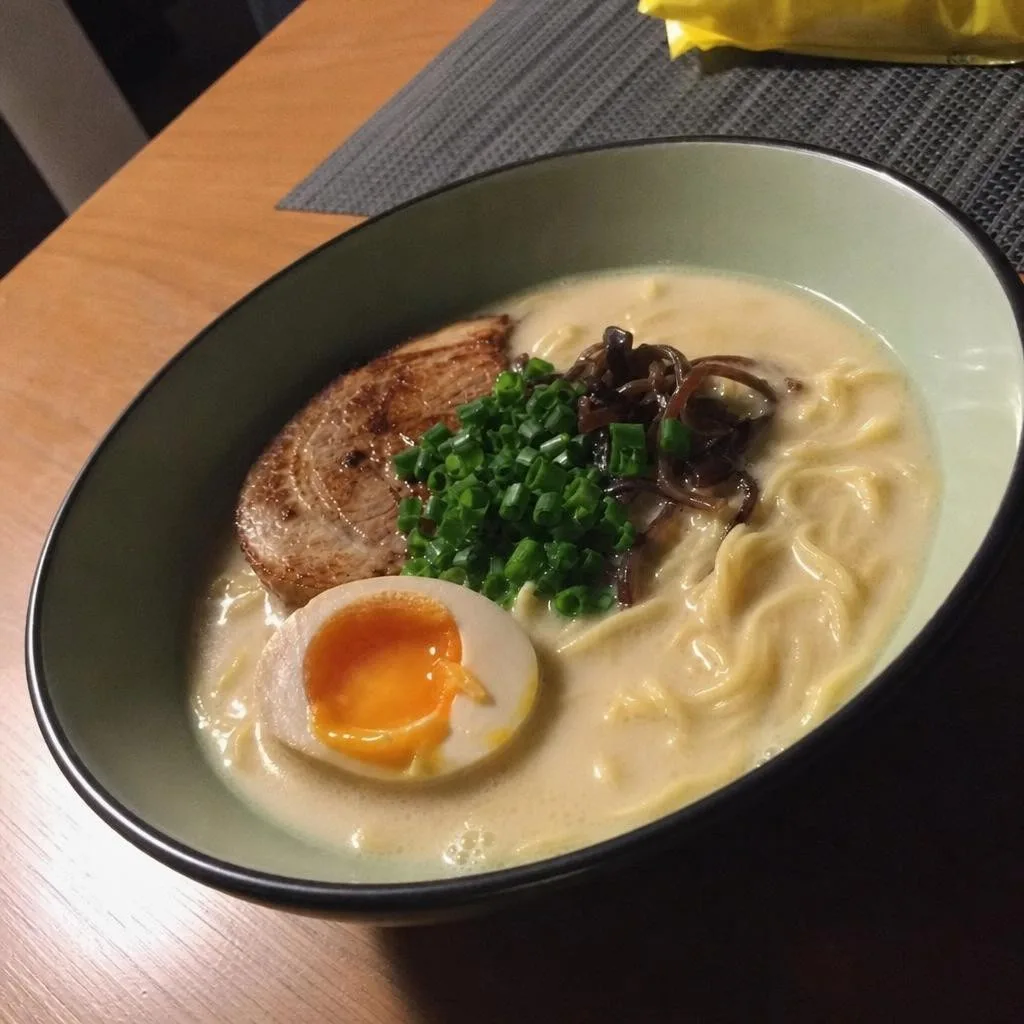
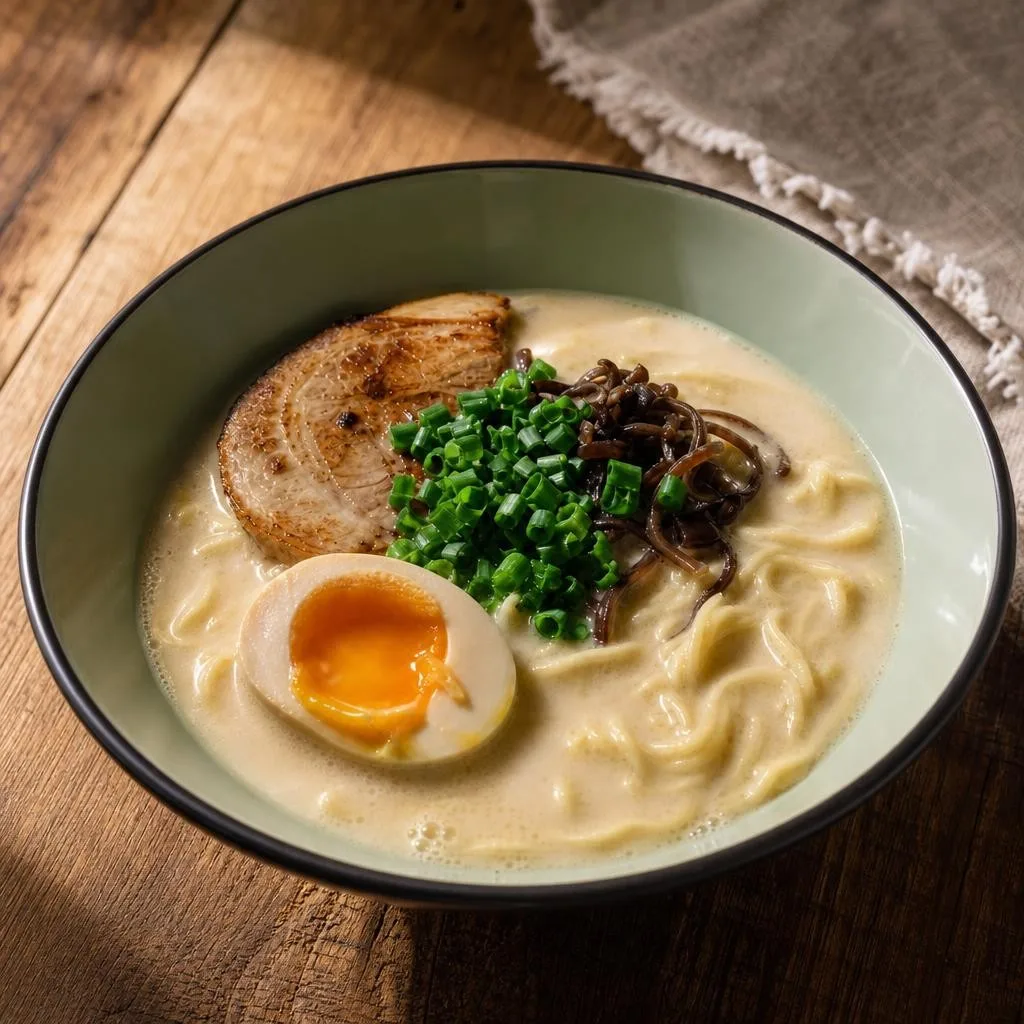
What does change: light (the big one - most phone food photos die in dim kitchens), colour cleanup, surface and setting (white ceramic, marble, dark slate, a blurred restaurant behind), and angle - overhead, three-quarter, or close-up.
The check we can’t automate
The constraint is real, but it isn’t a guarantee - and pretending otherwise would be its own kind of lie. Generative models flatter; it’s what they’re for. So the working rule we give every restaurant: compare each output to the plate that actually leaves your kitchen, and discard the ones that flatter it. You know your portions. The model only knows your photo.
The economics make honesty affordable: at under a dollar a generated photo, throwing away a too-pretty output costs less than the refund it would have caused.
Where the line sits in practice
A useful test from a chef we worked with: would you be comfortable if the customer held the photo next to the container? Relit and recomposed - yes, that’s what food photographers have always done. Different quantity of food - no. Sauce it doesn’t come with - no. The same dish on a nicer surface in better light is presentation; anything the kitchen would have to add to match the photo is fiction.
Run your finished shots through the free menu photo checker before uploading - it verifies the published pixel rules for both platforms and flags the two things their reviewers reject on sight: too dark, and blurry. The honesty check stays yours.