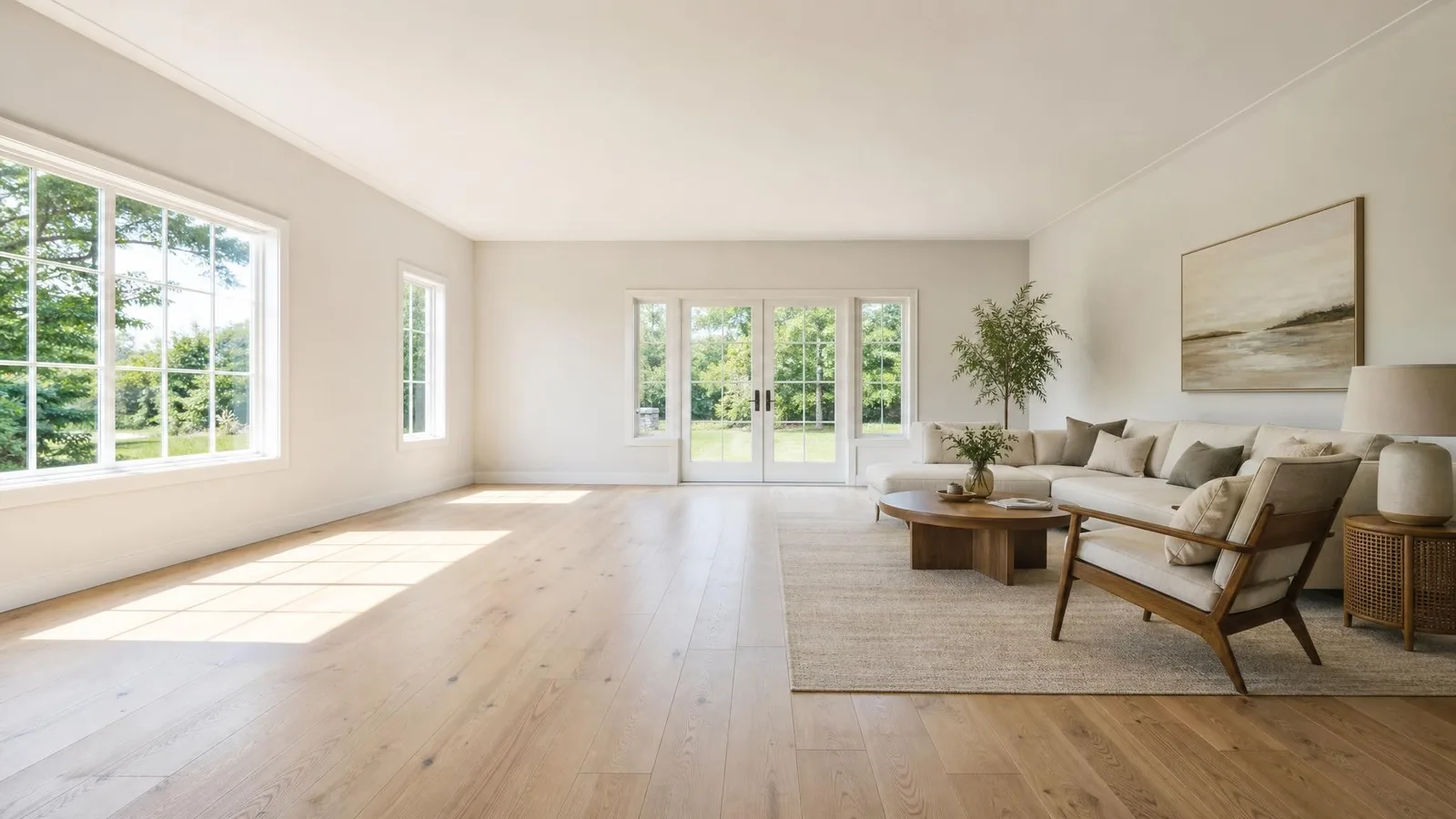
Empty rooms photograph terribly and sell slowly - that part hasn’t been controversial for decades. What’s changed is the menu of fixes, which now spans from four figures a month to under a dollar a photo. Here’s the ladder, priced with typical published rates as of mid-2026.
The ladder
Traditional staging. Real furniture, trucked in and arranged. Commonly quoted from $1,500–$4,000+ for the first month for a modest home, more in hot metros, with monthly renewals while the listing sits. It’s also the only option a buyer physically walks through - for luxury listings where the open house is the product, it still earns its invoice.
Virtual staging services. Human designers compositing furniture into your photos, typically $16–$40 per image with one-to-several-day turnarounds, revisions billed or rationed. Solid output; the friction is the loop - every angle is a new order, every “try it Scandi instead” is another day.
DIY software. Drag-and-drop furniture apps at $15–$30/month. Cheap, and it photographs like furniture clipart unless you have a designer’s eye - which is the thing you were trying to buy.
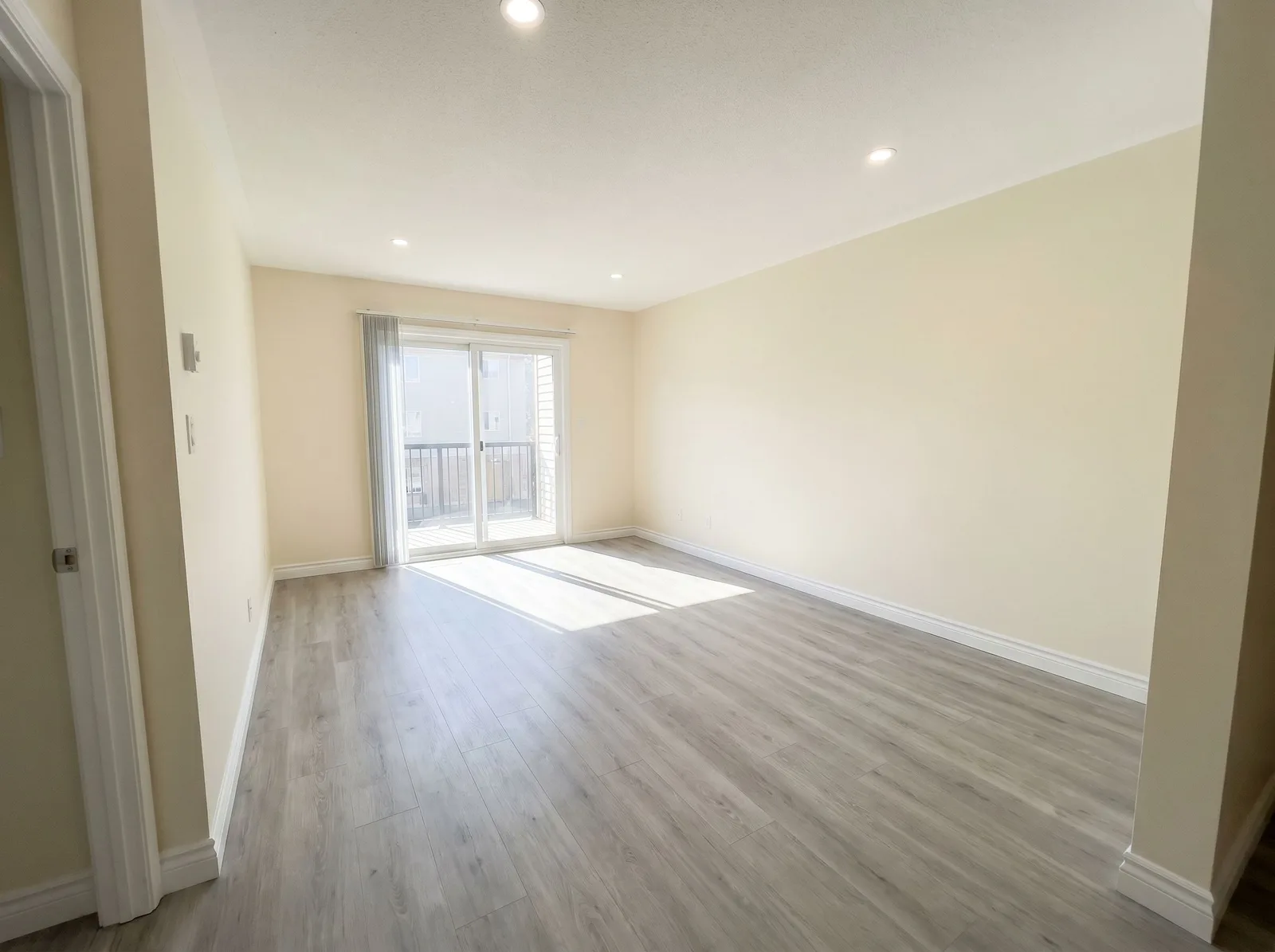
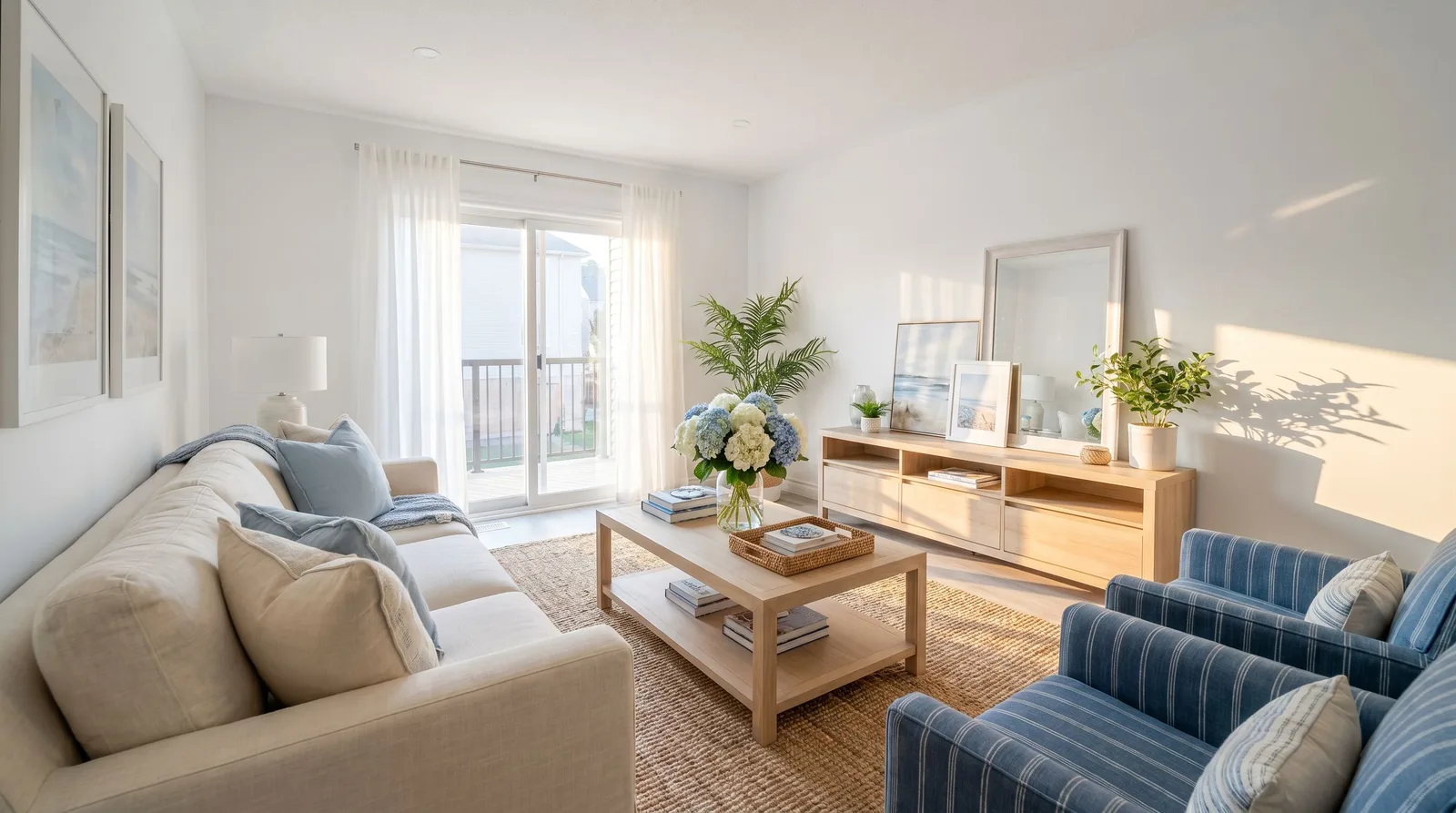
Generation. Phoxel’s real-estate niche furnishes the room in your photo at under a dollar a photo, minutes per batch. Fourteen interior styles from Scandi-warm to wabi-sabi; the walls, windows and floor plan come from your reference and stay put - a render of some nicer room is exactly what this must never produce.
The comparison that matters isn’t price
It’s iteration. The listing agent’s real workflow is: try the room warm, show the seller, try it modern, use one for the MLS and a different mood for the Instagram reel. At $30 a composite that workflow costs real money and days; at under a dollar it’s an afternoon whim. Staging stops being a one-shot decision made cautiously and becomes something you can simply explore.
Where the human services keep the edge: occupied-home de-staging (removing the seller’s clutter is a different, harder problem), photo-realism guarantees for luxury print, and someone contractually responsible for the output.
The cost nobody skips
Whatever tier you pick, disclosure is not optional and it isn’t the vendor’s job. MLS rules require virtually staged photos to be labelled - CRMLS fines $250 after a warning - and California’s AB 723 now puts a disclosure duty for digitally altered listing images into state law. The wording, the statute quotes and the fine print are in our disclosure guide; the label itself takes ten seconds with the free watermark tool.
To put your own numbers against these, the cost calculator prices a set of rooms both ways, at however many looks per room you actually want to try.
Budget for honesty the way you budget for the photos: keep the empty-room original of every staged shot, label the staged one, pair them in the listing. That workflow costs nothing at any tier - and skipping it is the only way staging gets expensive.