A logo on a white artboard is an argument. A logo on a storefront, a coffee cup, an embossed box - that’s a decision. Designers know this, which is why every logo delivery since the dawn of Dribbble has shipped with mockups: the client can’t approve what they can’t picture in the world.
The question is only how those pictures get made.
The three ways
Template mockups - the PSD marketplaces. Cheap, instant, and instantly recognisable: the same five coffee cups and the same MacBook angle appear in every portfolio on the internet. Fine for a quick client preview; weak the moment you need the brand’s world rather than a template’s.
A brand photoshoot - print the assets, style the scenes, shoot for a day. This is the gold standard and it costs like one: photographer day rates plus printing plus props, which is why it happens after a brand is funded, not while it’s being pitched.
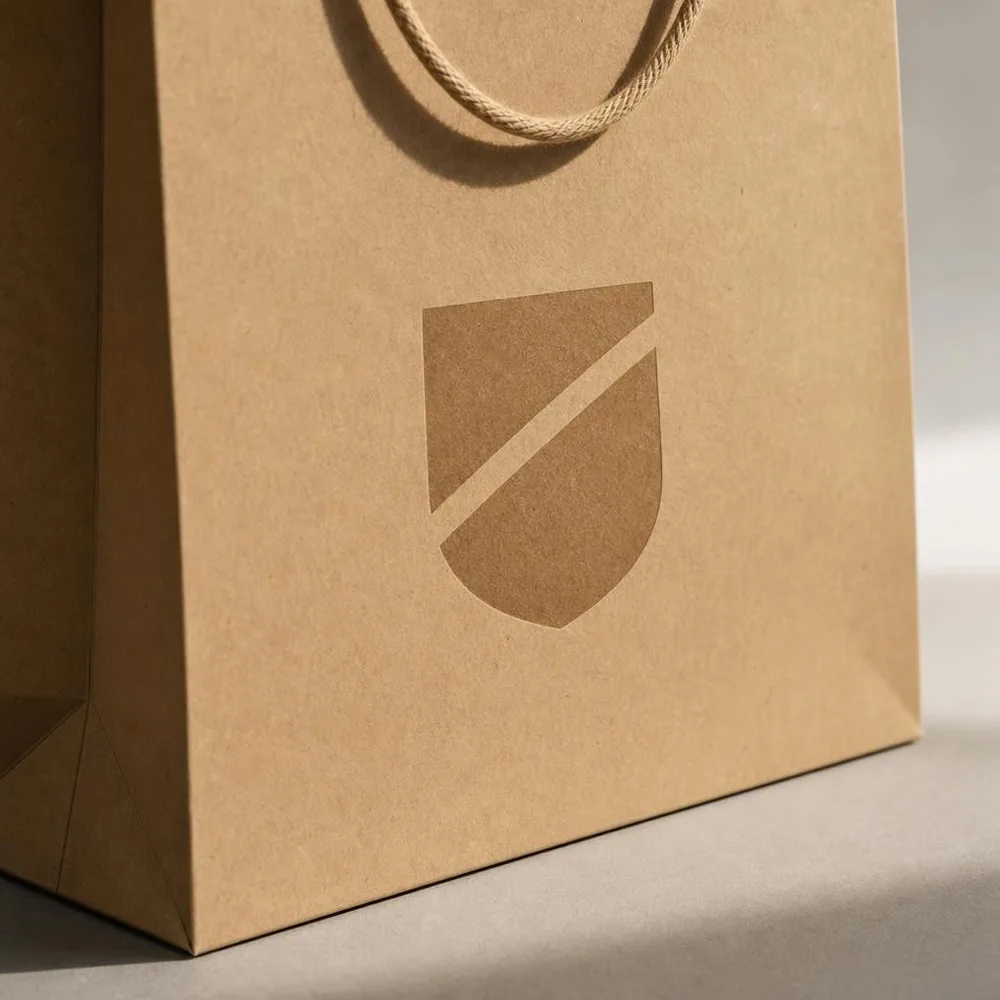
Generation - upload the logo file, get it rendered into photographed scenes: signage, packaging, print, merchandise. The logo niche works from your actual mark, and - unlike every other niche, where output text is banned - the logo is the text, so its letterforms are treated as untouchable pixels, the same fidelity rule that protects a watch dial or a fabric print.
What generation is actually for here
Not replacing the funded brand shoot - replacing the years before it. The pitch deck that needs the logo to look inevitable. The client presentation where three logo directions each need a world. The Etsy shop whose “brand photography” budget is $9. A designer can put every concept in situ for the price of a coffee, and the difference in how clients react to a logo-on-things versus a logo-on-white is a thing every designer already knows.
The honest limits, as always: tiny lettering at extreme angles is the hard case - a logo wrapped around a distant awning can wobble where a flat frontal application won’t. Retries are free; check the letterforms at 100% before it goes in the deck.
The consistency trick
The underrated move is generating your product photos and your logo scenes in one visual family - same light temperature, same background palette. A shop page where the product shots and the brand imagery agree with each other reads as a company rather than a collection of files. That coherence used to be what a brand photographer’s day rate bought; now it’s a settings choice.
Start with the mark you have. If it deserves a photoshoot later, you’ll know - because the generated version got it approved.