There is a pattern in the results people are unhappy with. Almost never is it the background, the lighting or the styling - those come out fine. It is that something about the object is wrong: a logo went soft, a handle is on the wrong side, a clasp turned into a different clasp.
That is almost always a reference problem, and it is fixable in about ninety seconds before you upload anything.
Why references decide the outcome
A generation doesn’t invent your product. It reconstructs it from what it can see, then produces it in a new setting. Anything you didn’t photograph, it has to infer - and inference is where things go wrong, because a plausible guess and a correct one look identical to the model.
Put it this way: every angle you don’t shoot is an angle the model gets to decide. So the job of your references isn’t to look good. It’s to leave as little as possible undecided.
The three that matter
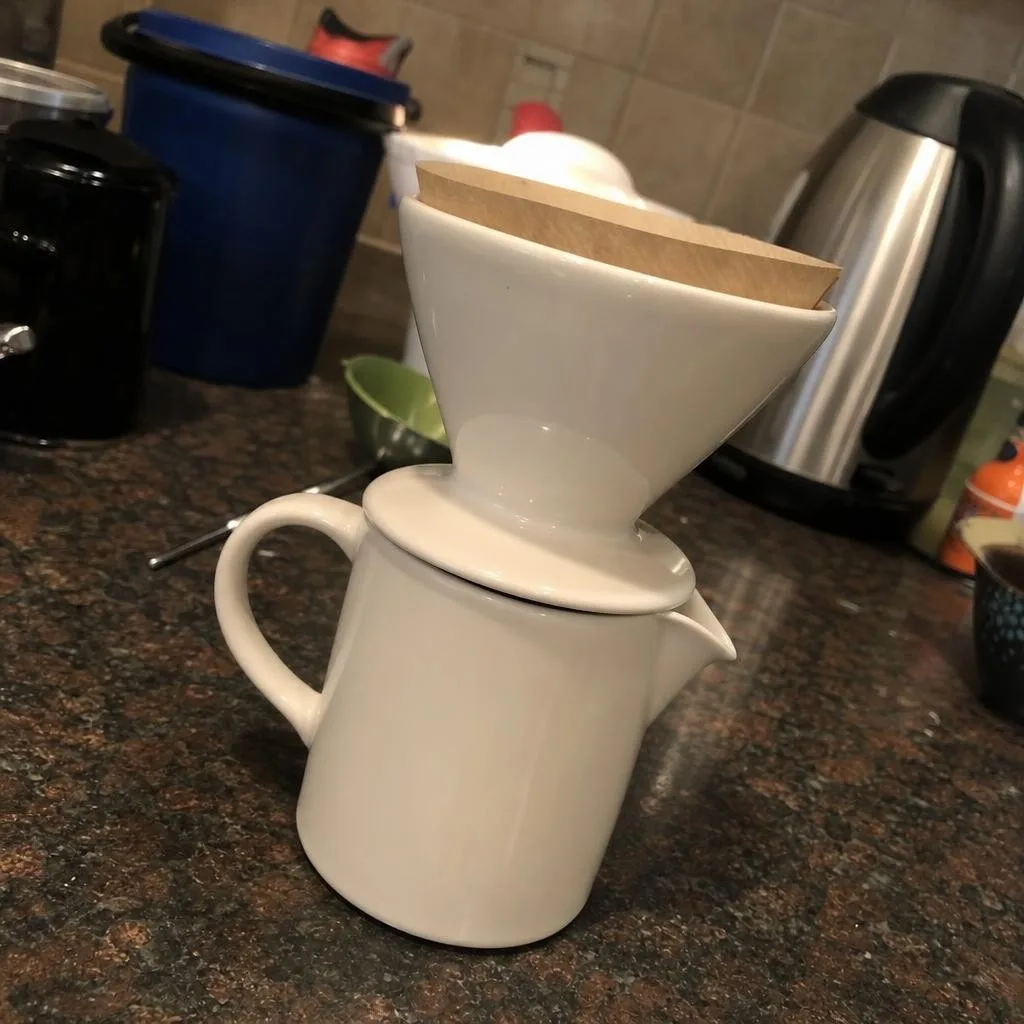
1. The straight-on shot. Front of the product, square to the camera, whole thing in frame. This is the one that fixes proportions - how tall relative to wide, where the seams sit, how big the lid is compared to the body. Get this wrong and everything downstream inherits it.
2. A three-quarter angle. Turn the object about 45°. This is the one people skip, and it carries the most information: a straight-on shot alone tells the model nothing about depth, so it invents a back half. The three-quarter view is what makes a generated product read as an object rather than a cardboard cut-out.
3. The detail that identifies it. Whatever a buyer would zoom into - the logo, the label, the stitching, the gemstone, the watch dial, the badge on the tailgate. Text and fine marks are the first thing to degrade, and a close reference is the only reliable defence.
Everything past those three has diminishing returns, with one exception below.
What “good” means for a reference
Not what you’d think.
- Plain surface, decent light. A kitchen table by a window is fine. You are not shooting the final image; you’re shooting the source of truth.
- In focus, especially on the detail shot. A soft reference produces soft, invented text. This matters more than lighting does.
- Whole object in frame. Cropped edges get reconstructed, and reconstructed edges are guesses.
- One object per project. Two similar items in one set gives you a hybrid of both.
Note what’s missing from that list: styling, background, the colour of the surface, whether the room is tidy. None of it matters. That is the part being replaced.
The exception: subjects whose shape can’t be guessed
Three references is the working default, but two categories need more.
Pets need at least three varied angles - sitting, standing, a head close-up. A face is what people check hardest, and markings only stay right if the model has seen them from more than one side. One photo generates a plausible dog; three generate yours.
Vehicles need four, one per corner. A vehicle pack renders the car from every side, so any angle you skip gets invented - and on a listing, an invented rear bumper is the difference between a sale and a refund request.
Which is the same rule as before, applied harder: shoot what you don’t want decided for you.
The ninety seconds
Front, three-quarter, detail. Add angles if the object is asymmetric, three varied ones if it’s an animal, four corners if it’s a vehicle. Plain surface, window light, everything in focus and in frame.
That’s the whole method. And it doubles as compliance work: the platforms that regulate generated imagery all care about the same thing your references control - that the item in the picture is the item you’re selling.