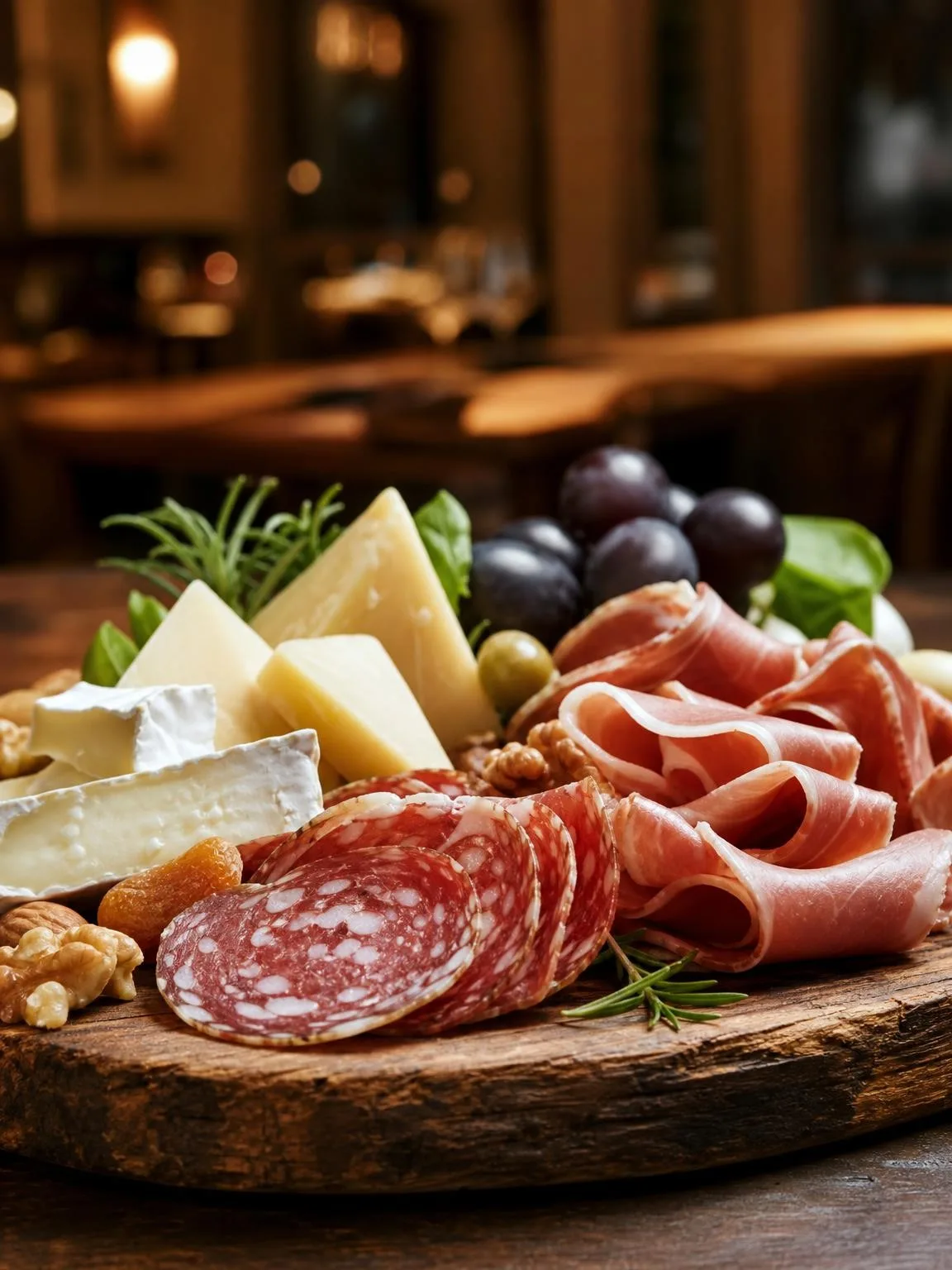
A restaurant with thirty dishes needs thirty photos, and the arithmetic of that is what keeps most menus illustrated with four.
The photographer number
A food photographer’s day rate sits roughly between $600 and $1,800 depending on city and portfolio, and a day realistically covers eight to fifteen dishes - plating, styling, lighting, resets between courses. Add a food stylist and it climbs; add prop rental and it climbs again.
So a thirty-dish menu is two to three days. Call it $1,500 at the cheap end and $5,000 at the normal end, plus the kitchen time to plate every dish twice: once for the camera, once because the camera version went cold.
That is not a rip-off. It is what the work costs. The problem is that it’s a lump sum you pay before you know which dishes sell, and it goes stale the moment you change the menu.
Where the cost actually bites
Not on the first shoot. On the second.
You add a dish in spring. You reprice. You drop two items. Now four of your thirty photos are wrong, and re-booking a photographer for four dishes costs nearly a half-day minimum. So most places don’t - and the menu drifts out of date until it’s embarrassing enough to redo entirely.
The recurring cost is the real cost, and it’s the one nobody quotes you.
The other number
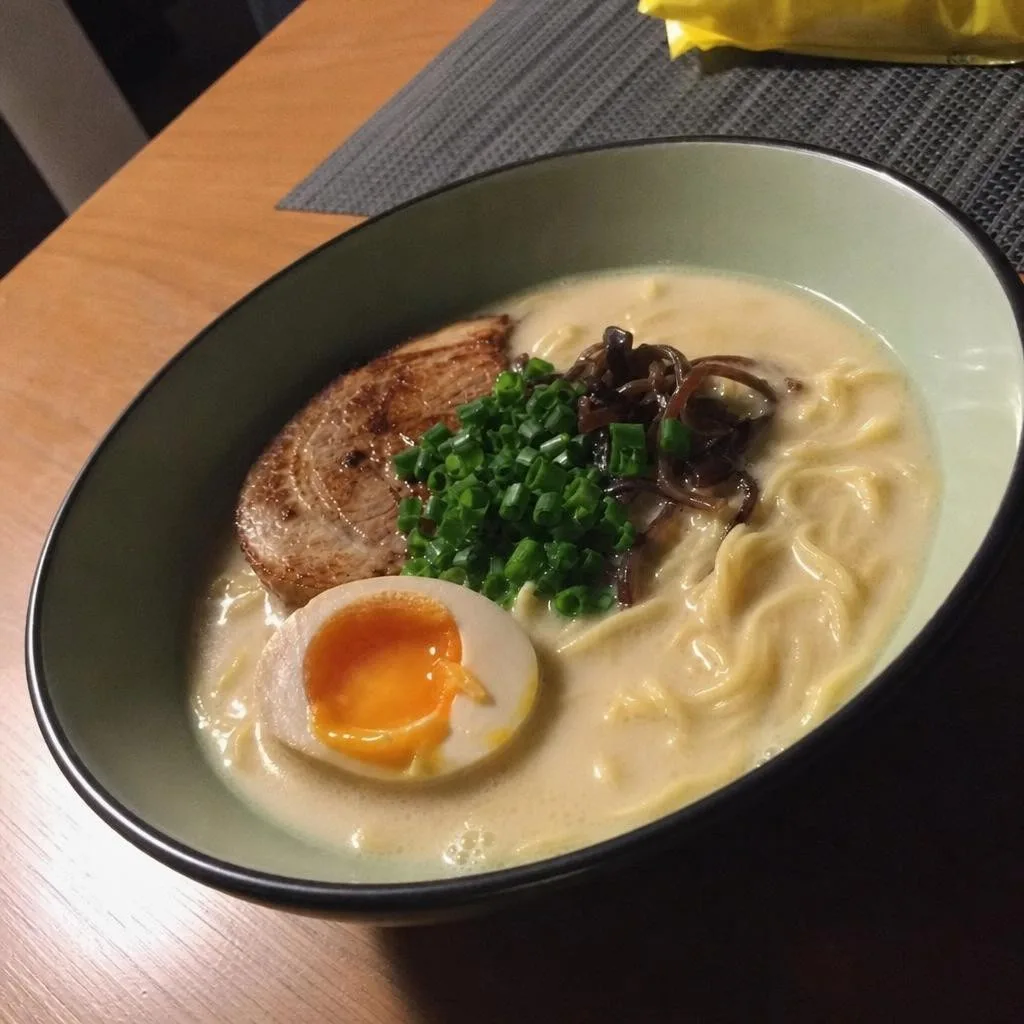
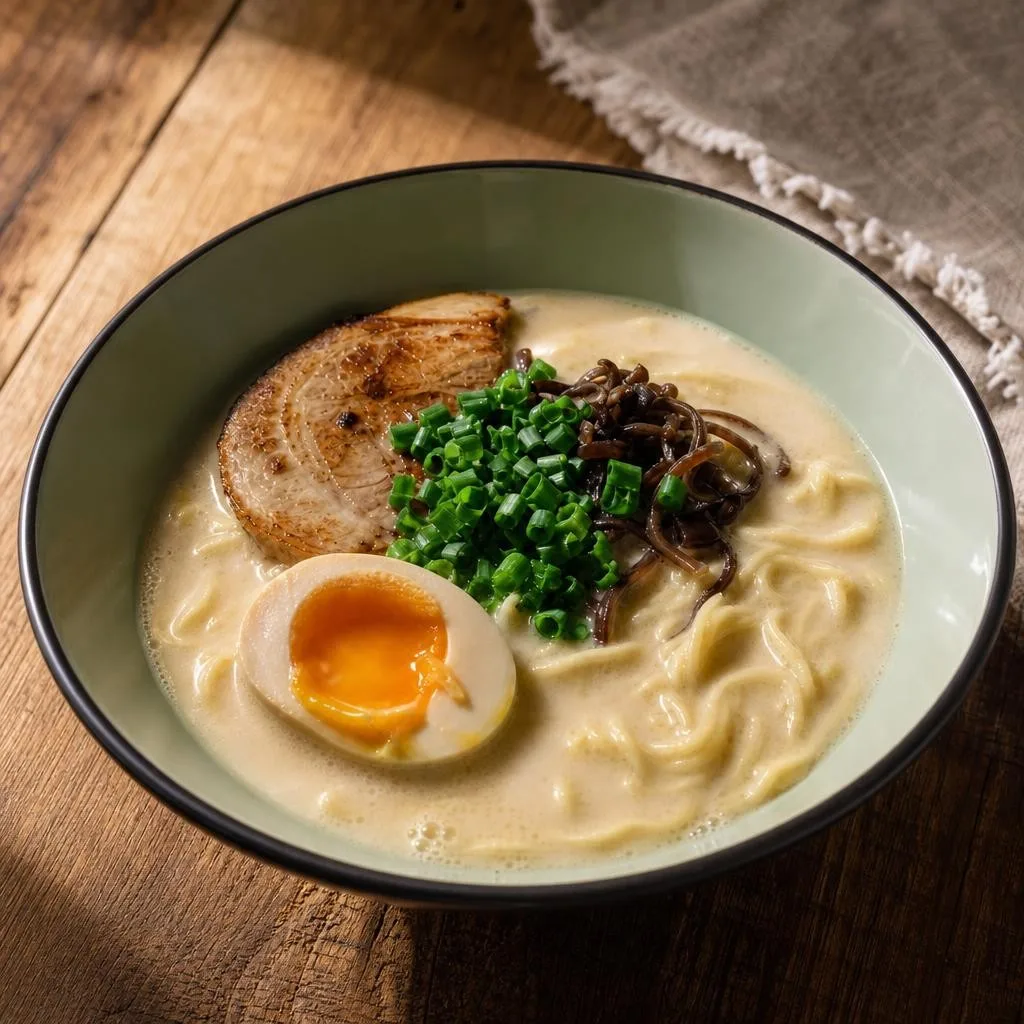
Photograph the plated dish on your phone, generate the setting: 10 credits a photo, so thirty dishes is 300 credits - about $6. A dish added in spring costs 10 credits, not a half-day.
That comparison is only fair if the output is usable, so here is the honest part.
Where this works, and where it doesn’t
It works on your own surfaces. Your menu, your website, your social, your printed board. Nobody regulates those, and the only test is whether the photo represents the dish.
It works on delivery apps, with care. Uber Eats and DoorDash both require the photo to represent the item accurately. Relighting your actual plated dish clears that. Generating a fuller, glossier version of it does not - and the delivery guide is blunt about why: the customer opens the box and compares.
It does not work on your Google Business Profile. Google’s photo guideline asks for no significant alterations and says the image should represent reality. That rule is about the premises as much as the plate. Photograph your restaurant yourself; the full guide explains where the line sits.
The rule that keeps you out of trouble
Shoot the dish you serve, at the portion you serve. Then let the table, the light and the background be produced rather than rented.
A generated marble surface under your real risotto is a styling choice. A generated risotto with more prawns than you plate is a refund, a bad review, and on a delivery app, a policy problem. The distance between those two is the whole subject.
Thirty dishes for $6 is a real number. It’s real because it does less than a photographer does - it doesn’t cook, plate or style. It just means the surface under the plate stops being a budget line.